Instant Pot vs Crockpot| Which Should You Buy First?
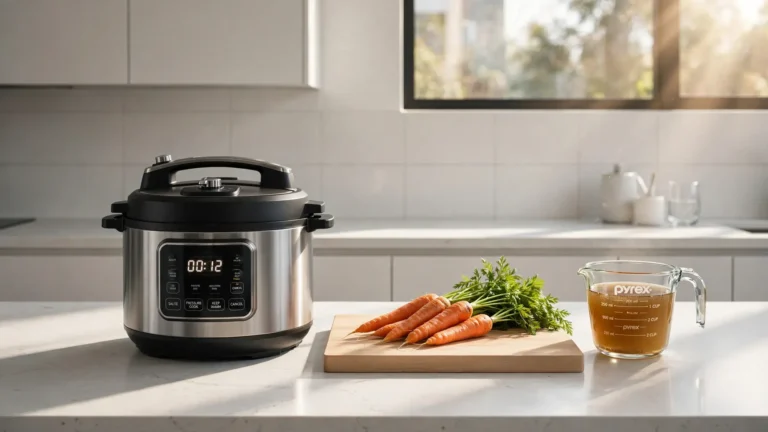
Every weeknight feels like a race against the clock. You walk through the door at six o'clock exactly. Hungry kids drop heavy backpacks on the kitchen floor. You stare at solid frozen chicken breasts in the sink. Panic sets in rapidly. You need dinner on the table fast. We all face this exact dinner dilemma constantly. Two popular kitchen gadgets promise to fix this exact struggle. The slow cooker simmers meals while you work all day. The electric pressure cooker finishes dinner in mere minutes. Both appliances save you time and money. Buying the right one changes your evening routine completely. I bought both machines three years ago. I tested them with dozens of family meals. My kitchen witnessed many burnt dinners and mushy vegetables. Now I know exactly which one deserves your counter space.
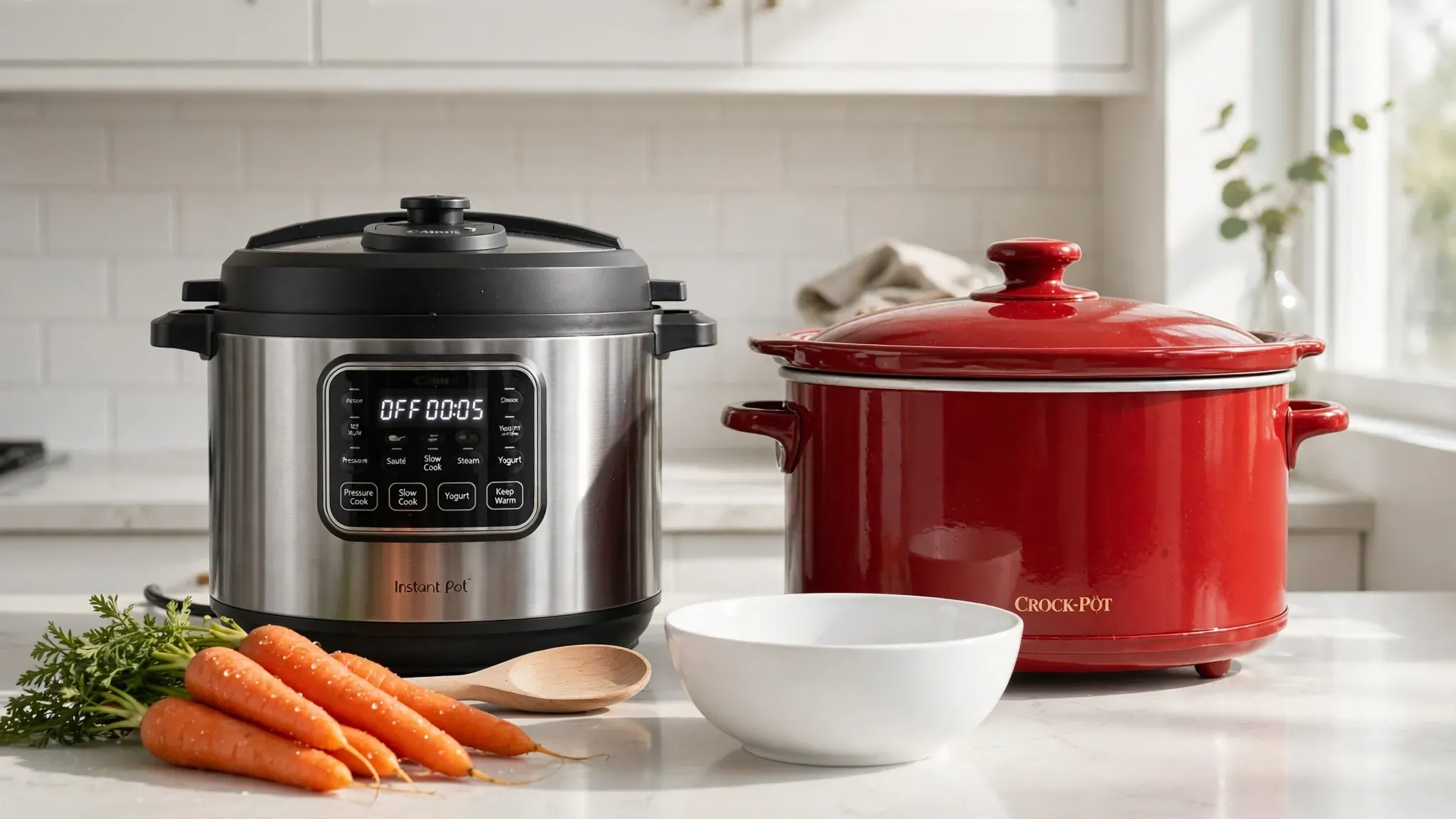
You will get a clear answer today. We break down exact costs and daily cooking times. You will see which machine fits your daily routine best. The classic slow cooker costs less and requires zero attention. The modern pressure cooker costs more but cooks frozen meat rapidly. I will share exact time estimates for common family meals. We will look at real kitchen failures to avoid entirely. I skip the fluffy sales pitch completely. You get honest facts from real daily kitchen use.
Heat Control And Cooking Speed
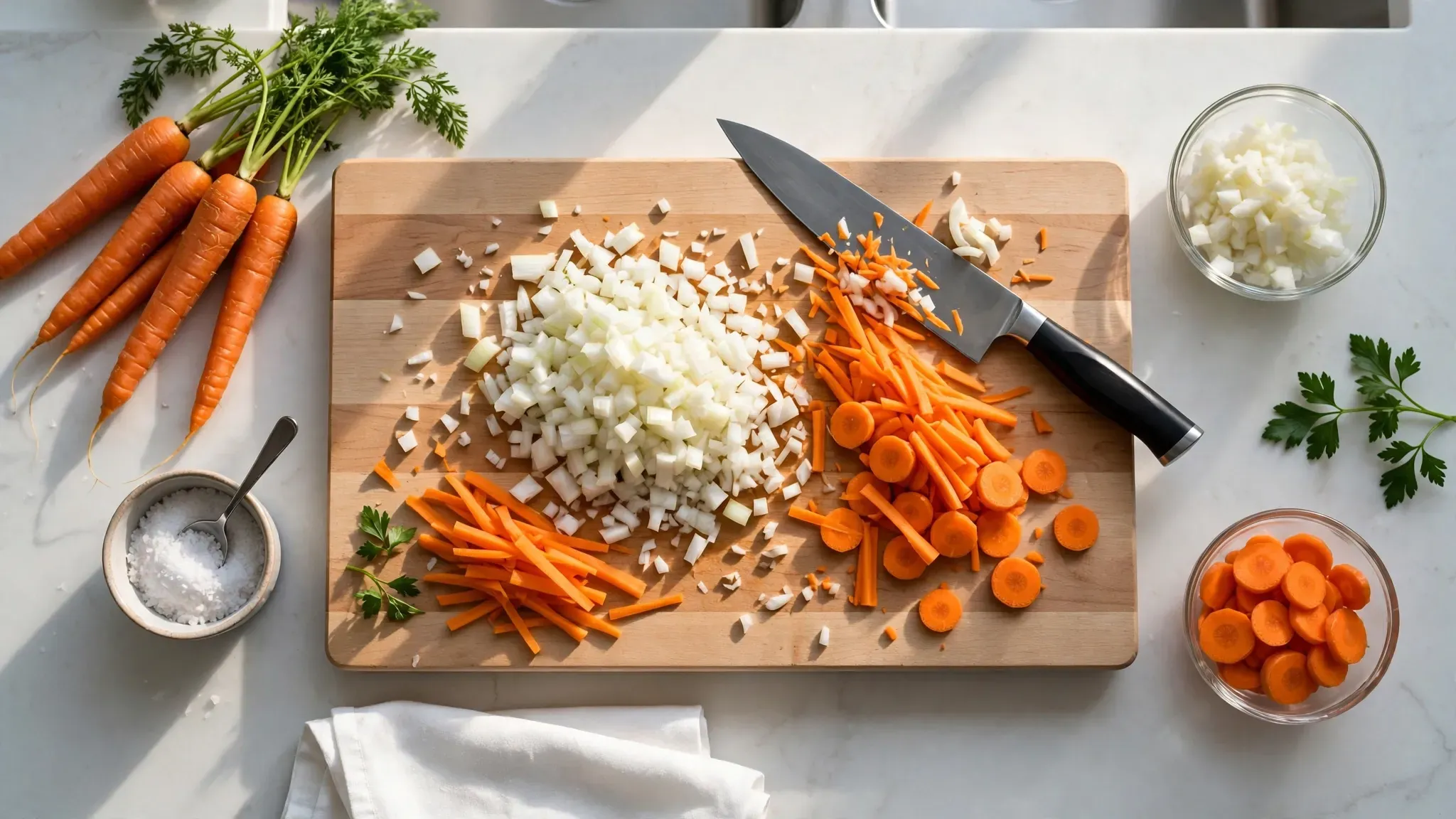
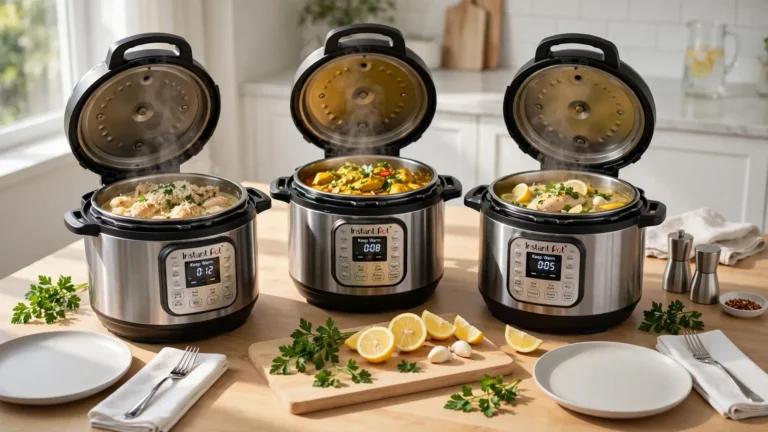
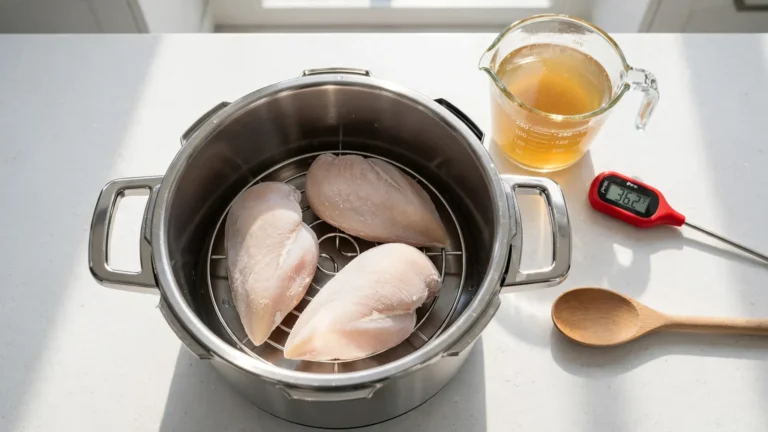
Time dictates everything in a busy house. A basic slow cooker requires morning prep. You chop vegetables before leaving the house. You sear the meat in a separate pan first. You drop everything into the cold pot. The machine cooks while you work all day. You return home to a hot meal. This fits a predictable schedule perfectly. You never worry about rushing dinner. An electric pressure cooker fits a chaotic schedule better. You can start cooking at five o'clock. It finishes a whole roast in one hour. You sear the meat directly inside the metal pot. You lock the lid and walk away. You can even cook completely frozen meat safely. I relied on this feature last Tuesday. I forgot to thaw our chicken breasts completely. The Instant Pot Duo 7-in-1 saved us from ordering expensive pizza.
Flavor Differences In Meats
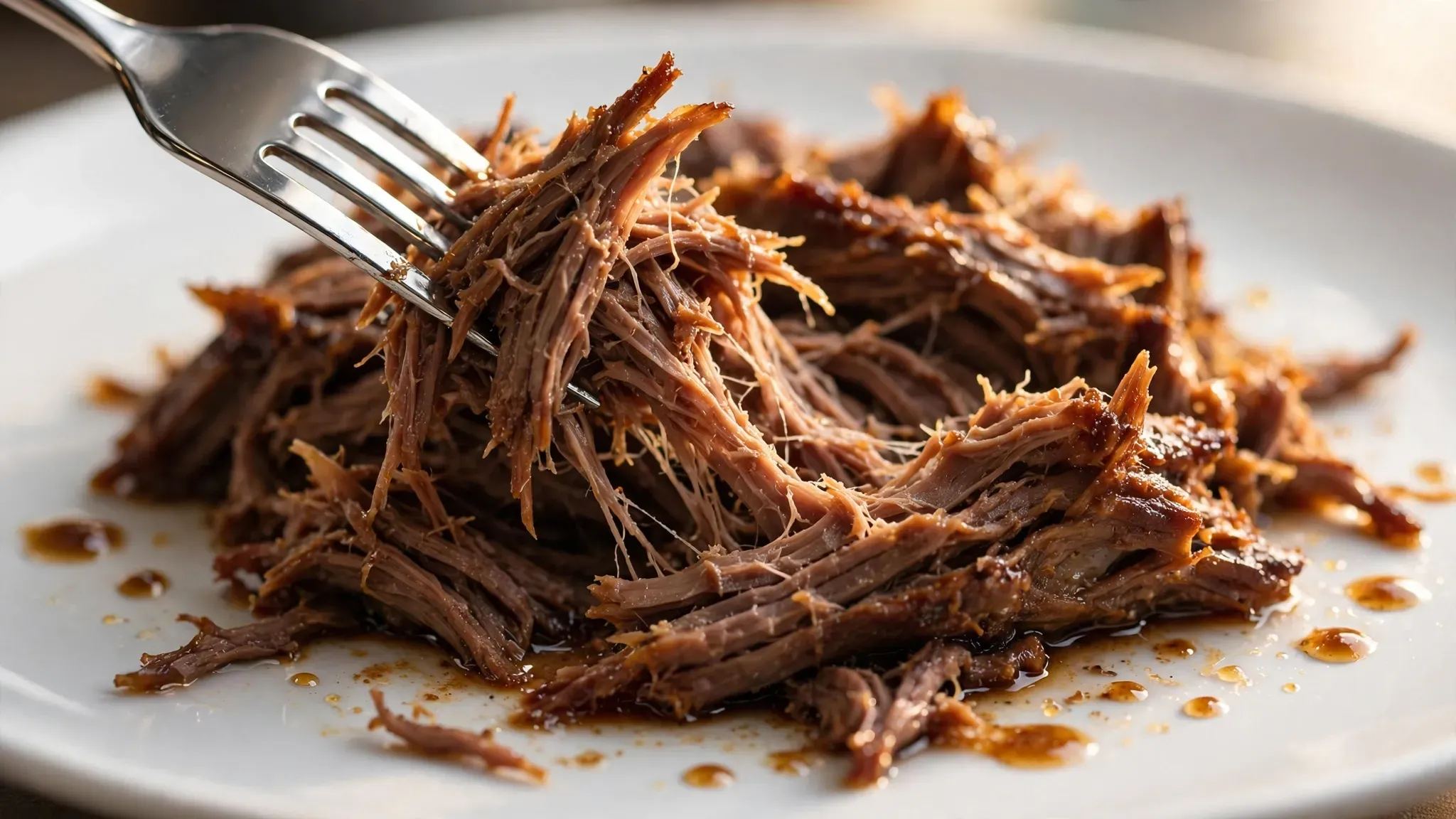
Meat reacts differently to both machines. The slow heat breaks down tough connective tissue gently. A Crock-Pot Classic makes pork shoulder incredibly tender. The meat shreds apart with a regular fork. The low heat melts the fat cap slowly. This keeps the meat juicy all day long. It rarely dries out. High pressure works completely differently. A Breville Fast Slow Pro forces moisture directly into the meat fibers. This happens incredibly fast. You get tender meat in thirty minutes. Sometimes pressure-cooked meat feels slightly stringy. It lacks that true slow-roasted texture. The fat does not render the exact same way. I ruined a fifty-dollar brisket in a Cuisinart High Pressure Cooker once. I cooked it too fast on high heat. Slow heat wins for pure meat texture.
Texture Differences In Vegetables
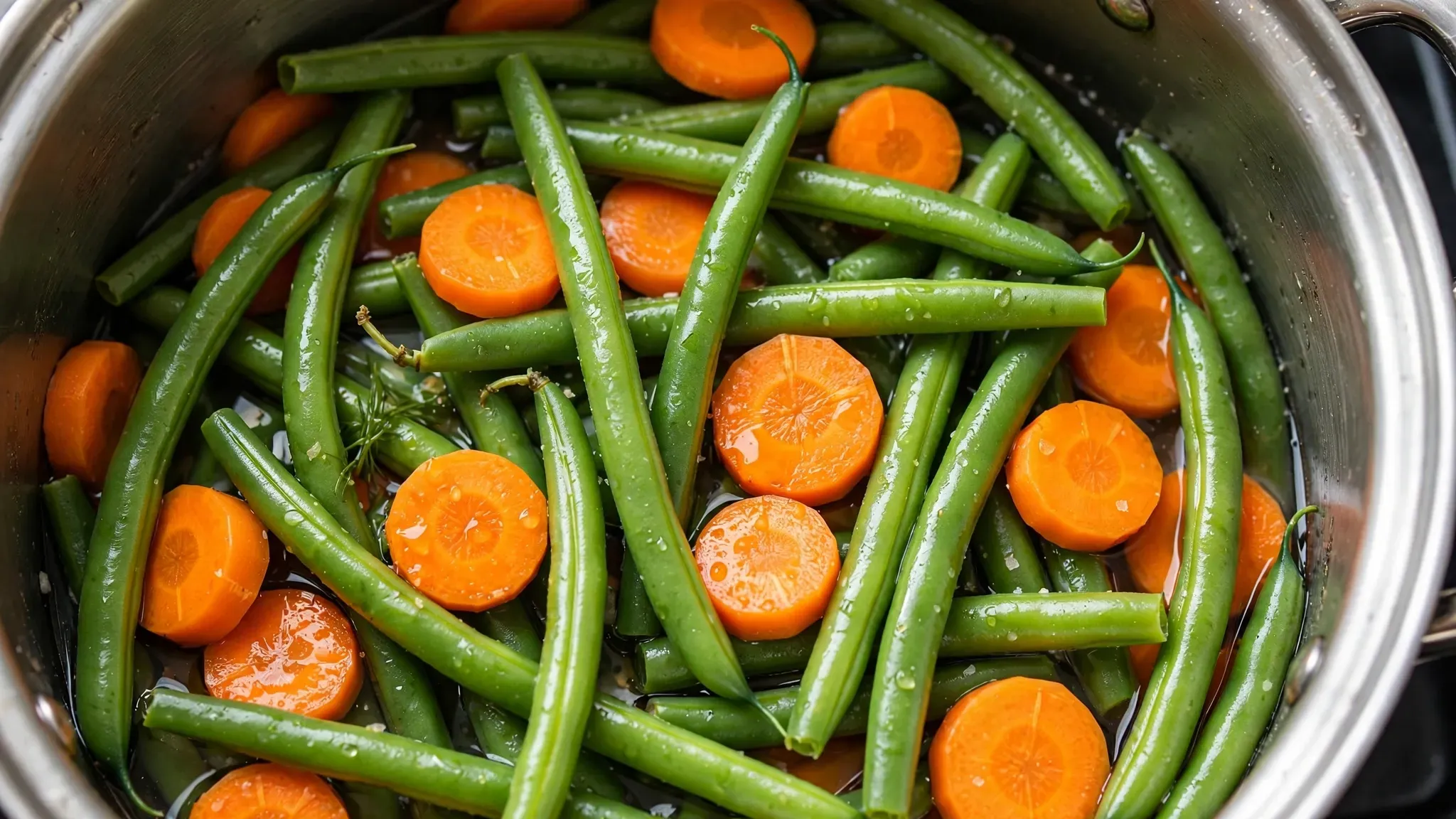
Vegetables turn to mush very easily. You must time them perfectly. A slow cooker destroys delicate greens. Spinach turns into green slime after eight hours. Root vegetables survive much better. Carrots hold their shape all day long. Potatoes absorb the savory broth perfectly. You put hardy vegetables at the very bottom. They need the most heat to soften. A pressure cooker gives you more direct control. You cook the heavy meat first. Then you drop in the vegetables for two minutes. This keeps them crisp and bright green. The Ninja Foodi PossibleCooker excels at this task. It preserves the snap in fresh green beans. You never serve mushy broccoli again.
Price Tag And Long Term Value
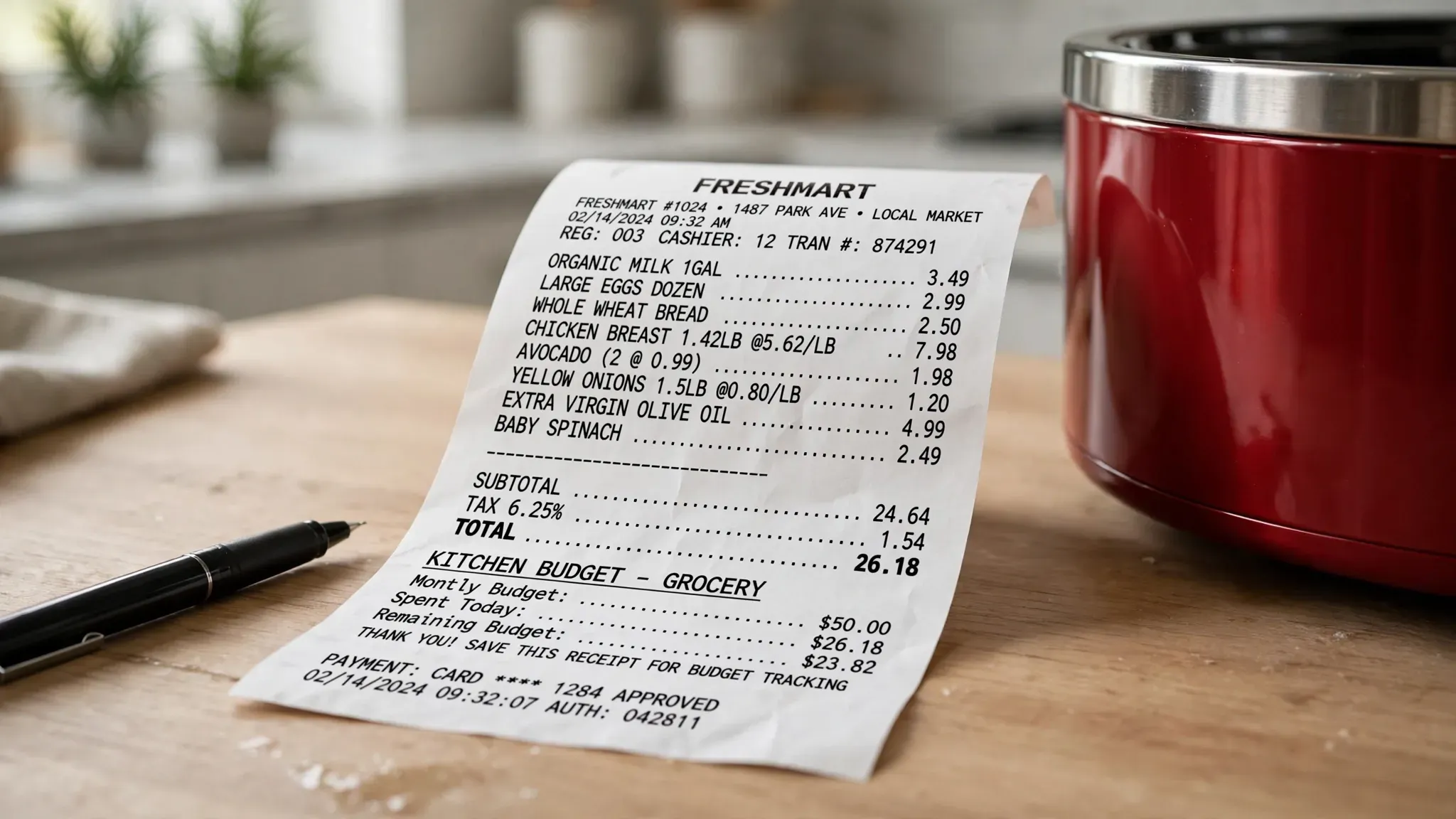
Money matters when equipping your kitchen. A basic slow cooker costs around thirty dollars. You can find them at any local retail store. They last for decades with very basic care. The Hamilton Beach Set & Forget costs slightly more. It gives you a handy digital timer. An electric pressure cooker costs between eighty and two hundred dollars. You pay extra for the complex digital brains. The Zavor LUX LCD costs over one hundred dollars. You must replace the rubber sealing rings yearly. These rubber rings cost ten dollars each. My friend Sarah bought a Ninja Foodi PossibleCooker last month. Her grocery bill dropped forty dollars a week immediately. She stopped buying expensive takeout food entirely. The slow cooker wins for pure budget shoppers initially. The pressure cooker saves more money over years of use.
Kitchen Space And Storage Limits
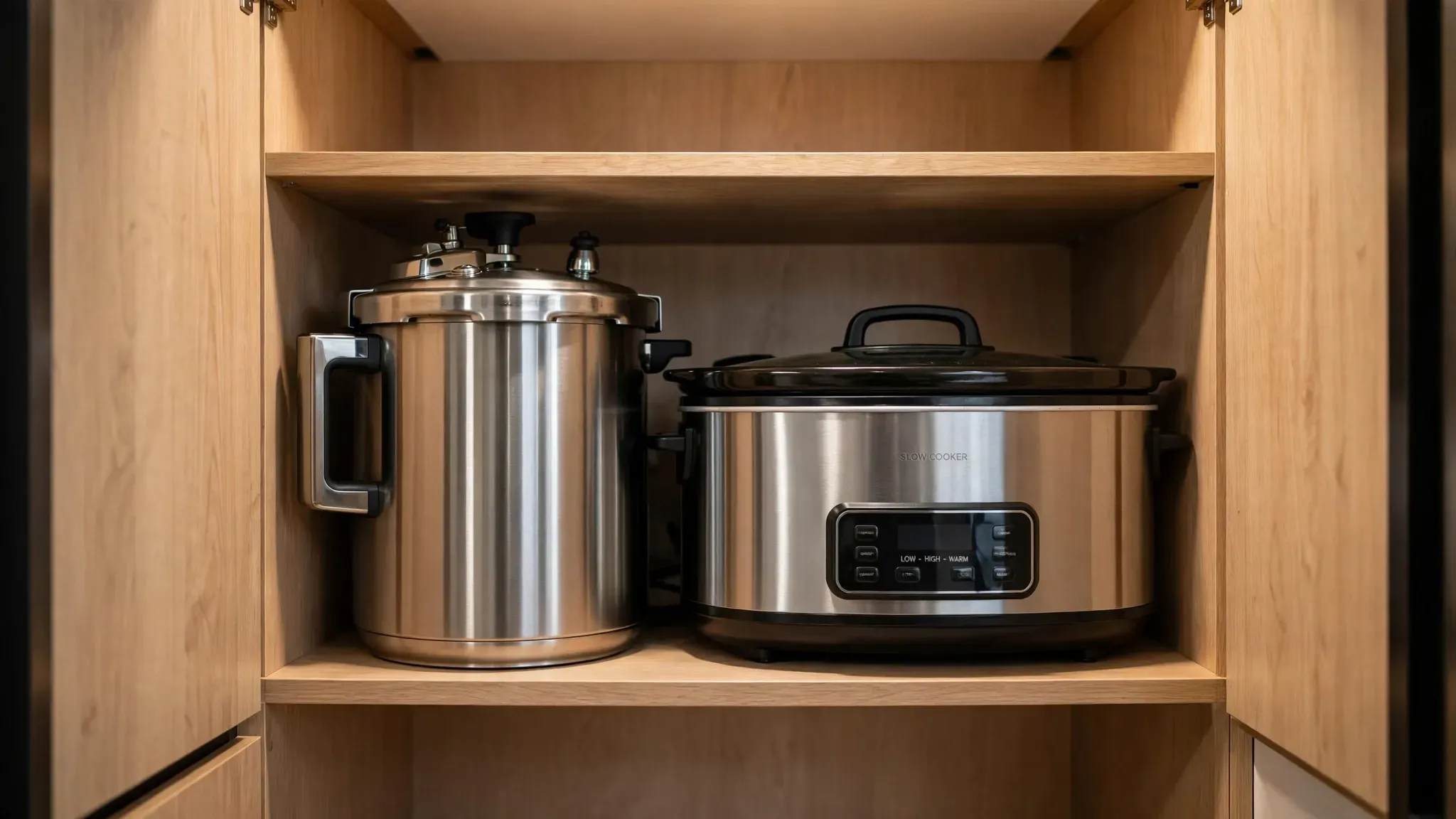
Counter space vanishes quickly in small kitchens. Both machines demand serious real estate. A traditional slow cooker has a wide oval shape. It takes up a large horizontal footprint. You can store things inside the ceramic pot though. A pressure cooker stands very tall. It takes up vertical space on your counter. You must store it carefully. Scratches on the inner metal pot ruin the whole machine. The Presto Nomad features a picnic cooler shape. It travels well but stores awkwardly. I keep my KitchenAid Multi-Cooker in a deep bottom drawer. Measure your cabinets before buying either one. You need dedicated space for these heavy appliances. They weigh too much to move constantly.
Cleaning And Ongoing Maintenance
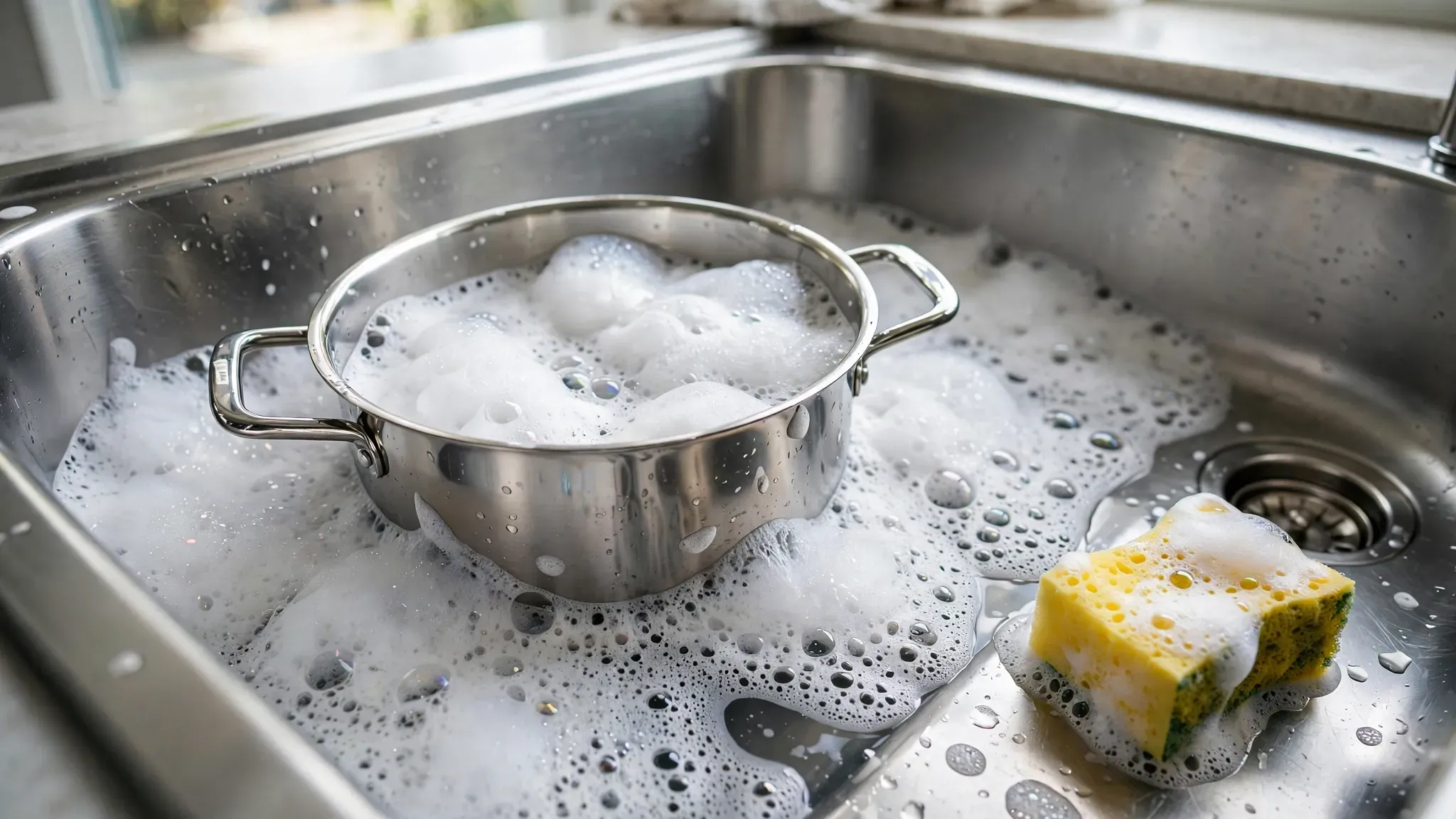
Nobody likes doing dishes after a heavy dinner. Slow cookers feature thick, heavy ceramic inserts. These inserts weigh a lot when full. They become slippery when covered in dish soap. Most people put them directly in the dishwasher. Baked-on cheese requires serious manual scrubbing. Pressure cookers feature lightweight stainless steel pots. These clean up very fast in the sink. You just soak them for ten short minutes. The pressure cooker lids require extra tedious work. You must pull out the rubber sealing ring. You must wash the tiny steam valve parts manually. Trapped food particles smell bad over time. The All-Clad Slow Cooker wins the daily cleaning test.
Energy Usage And Utility Bills
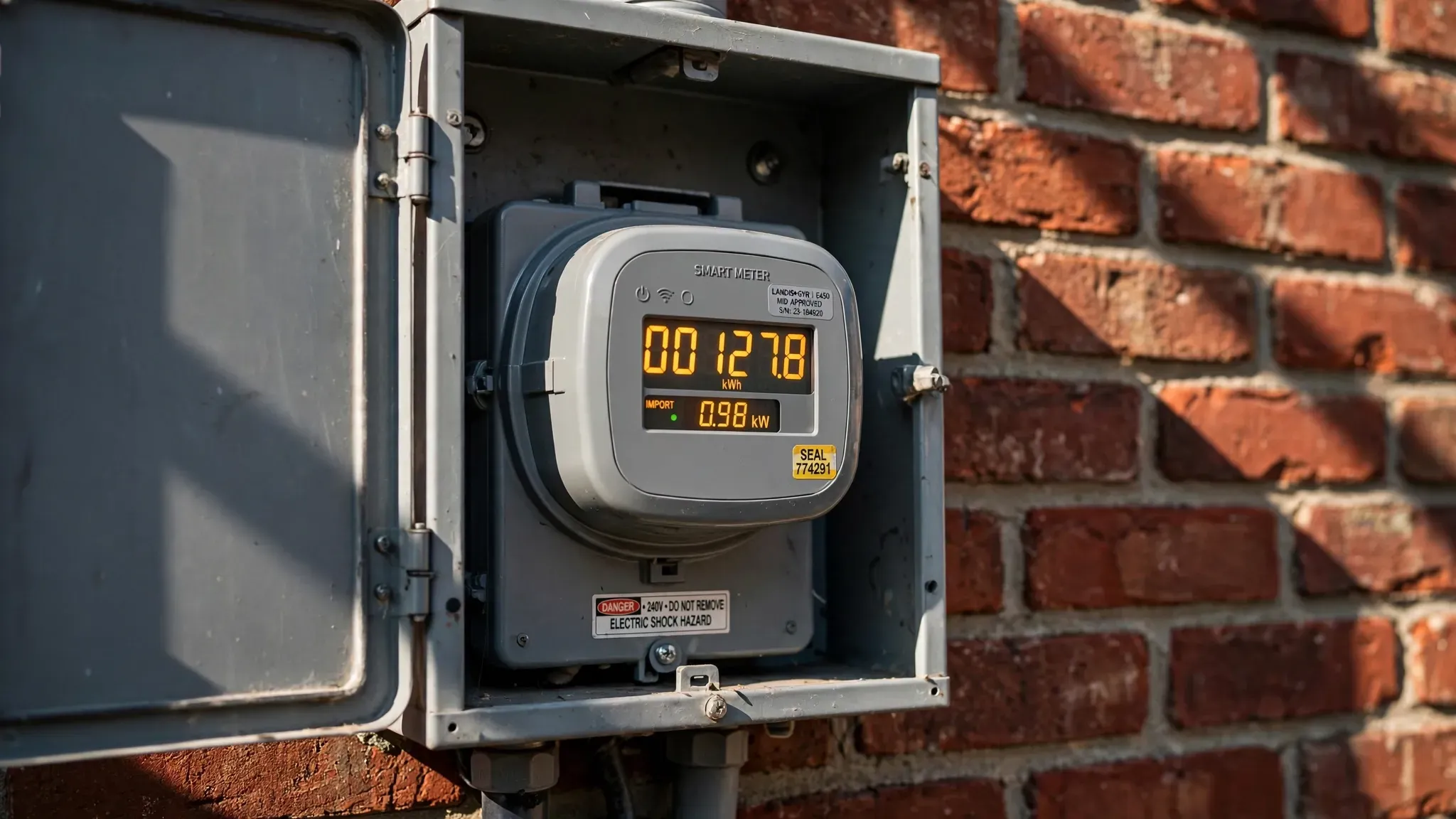
Kitchen appliances change your monthly electric bill. A slow cooker uses roughly the same power as a standard light bulb. It costs pennies to run all day long. It barely warms up your kitchen in the hot summer. A pressure cooker uses more power instantly. It draws a massive wattage to create pressure. It only runs for thirty minutes though. Both machines use far less energy than a full electric oven. You save gas money by eating at home too. My electric bill barely shifted after buying both machines. They pay for themselves very quickly. You stop running your big oven for small family meals.
Classic Beef Stew
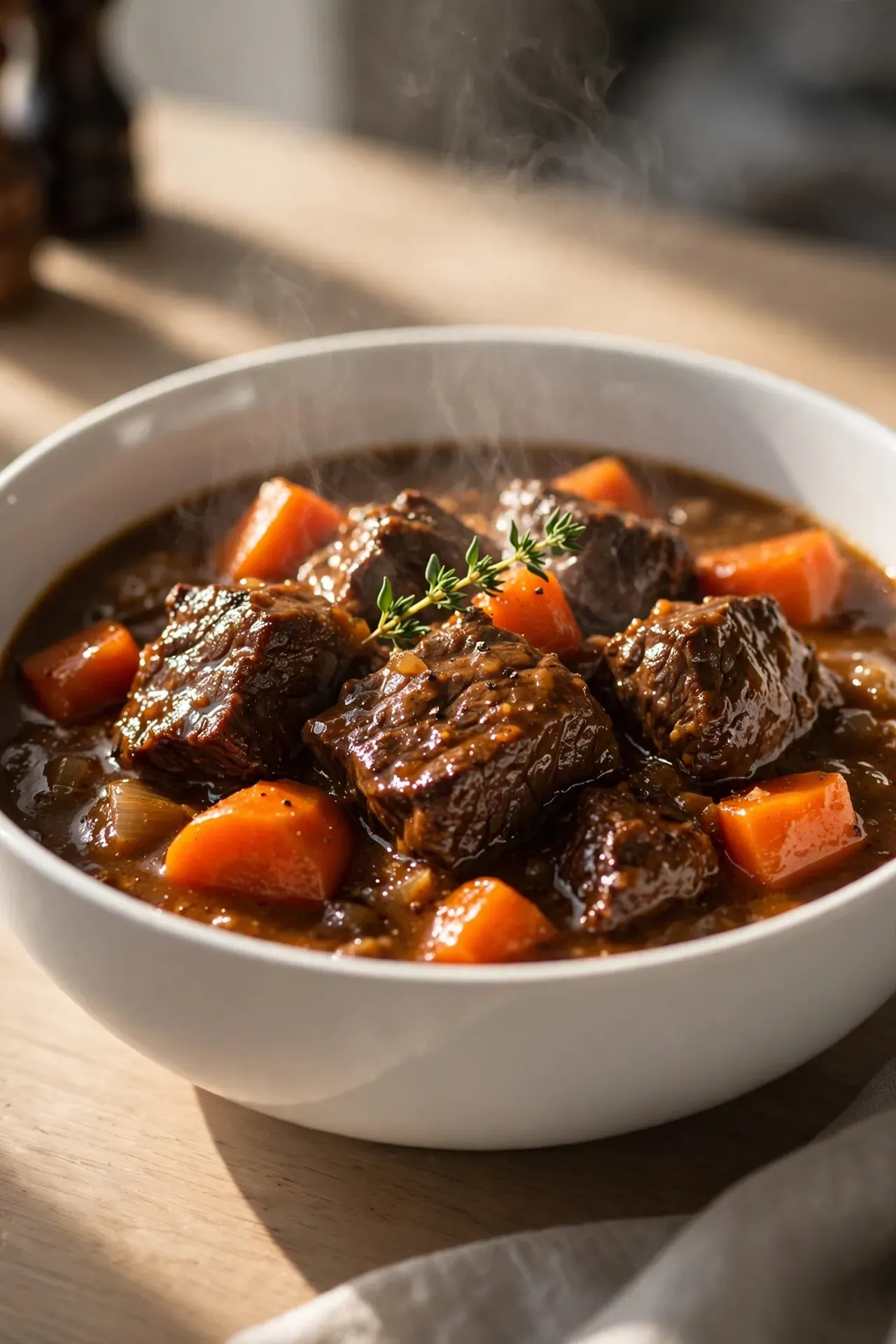
Nothing beats walking into a house smelling of rich, savory beef stew. This classic dish warms you up on a freezing winter evening. It requires almost zero effort in the morning. The meat becomes meltingly tender and glossy over eight hours.
Ingredients
Instructions
-
01
Place chopped onions and carrots at the bottom of the pot.
-
02
Put the chopped beef chunks on top of the vegetables.
-
03
Drop the diced potatoes over the beef.
-
04
Pour the beef broth over all the ingredients.
-
05
Stir the tomato paste into the broth carefully.
-
06
Sprinkle the thyme and garlic powder over the top.
-
07
Cover the pot with the glass lid tightly.
-
08
Cook on low heat for eight full hours.
In my experience, searing the beef in a hot pan first creates massive flavor. You can skip searing if you are rushing out the door.
Ten Minute Chicken Rice
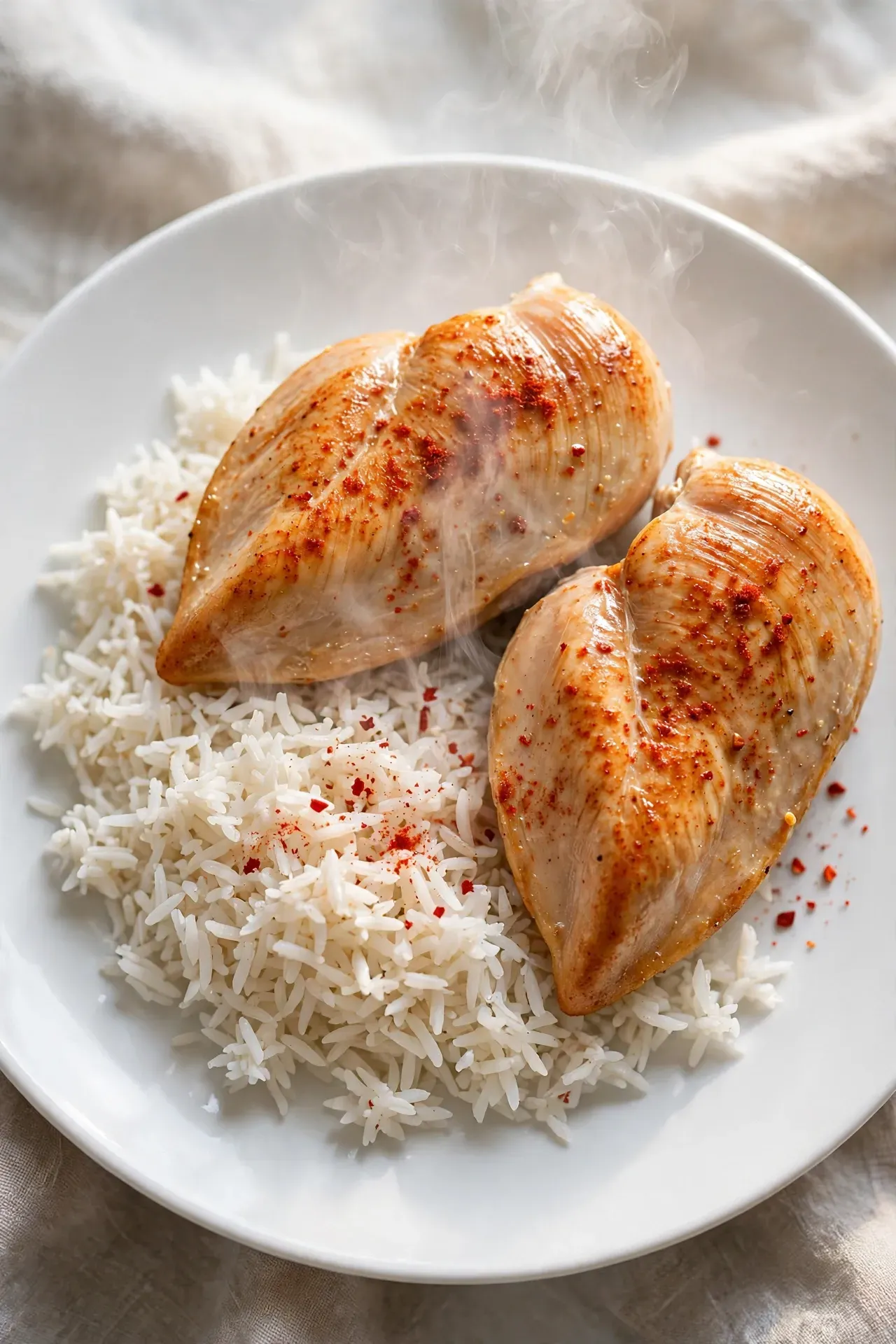
This meal saves my sanity on busy weeknights. You get perfectly cooked chicken and fluffy, steaming rice together. The savory garlic smells incredibly fragrant right away. Your family will think you spent hours cooking this fork-tender meal.
Ingredients
Instructions
-
01
Place the butter inside the metal cooking pot.
-
02
Put the chicken breasts directly on top of the butter.
-
03
Pour the white rice around the chicken breasts.
-
04
Pour the chicken broth over the rice carefully.
-
05
Sprinkle salt, pepper, and paprika over everything.
-
06
Lock the lid and set the pressure valve to seal.
-
07
Cook for ten minutes on high heat.
Tender Pulled Pork
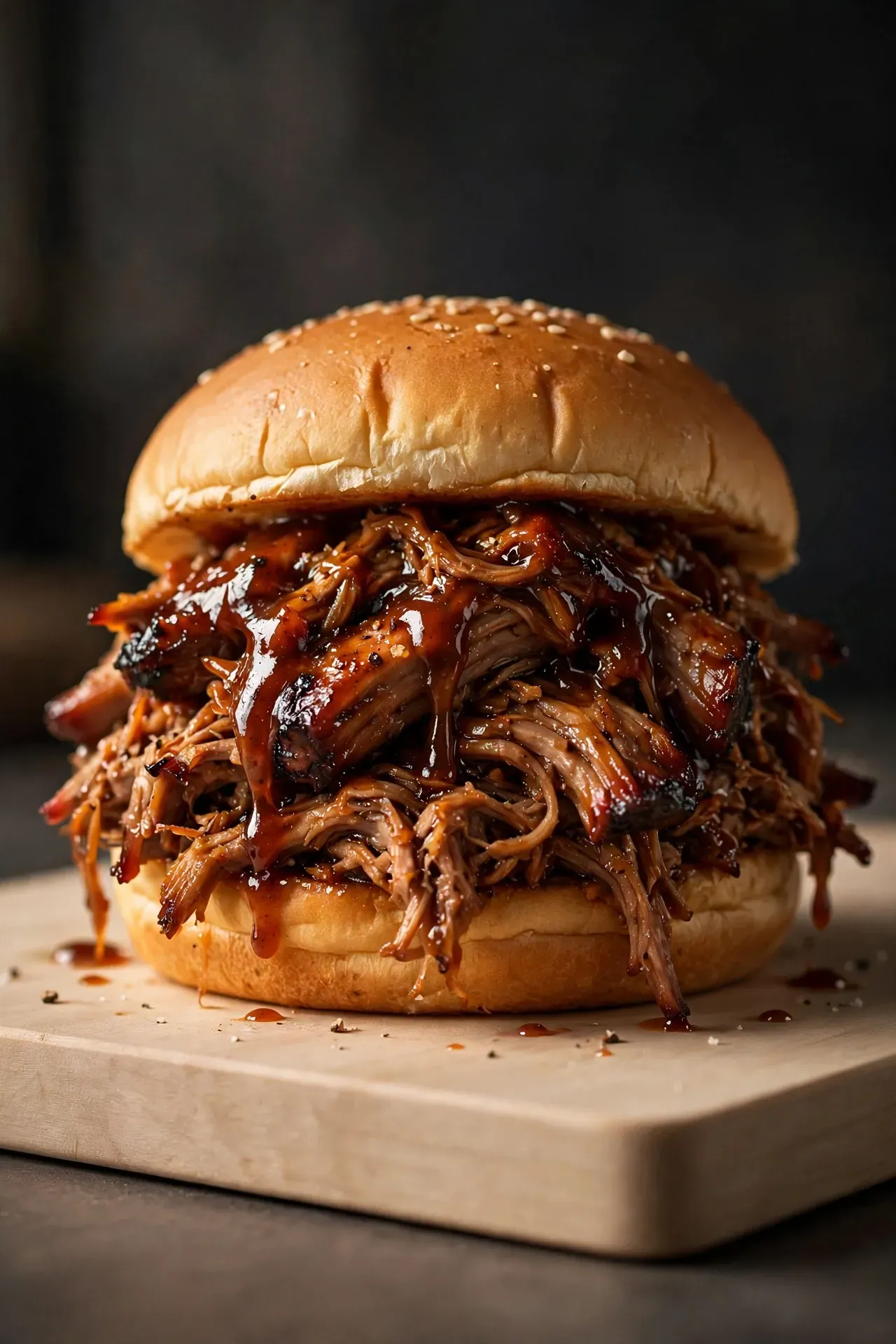
Pulled pork feeds a massive crowd for very little money. The slow cooker makes this golden brown meat incredibly simple. The low heat melts the fat cap slowly. The sweet, smoky barbecue aroma fills your entire home.
Ingredients
Instructions
-
01
Place the pork shoulder roast into the ceramic pot.
-
02
Mix the barbecue sauce, vinegar, and broth in a bowl.
-
03
Stir the brown sugar and mustard into the liquid mix.
-
04
Pour the liquid mixture over the pork roast.
-
05
Sprinkle the onion powder on top of the meat.
-
06
Cover with the glass lid tightly.
-
07
Cook on low heat for ten hours.
-
08
I noticed that resting the meat for ten minutes before shredding keeps it incredibly juicy. Always use two heavy forks to pull it apart.
Rapid Chili Con Carne
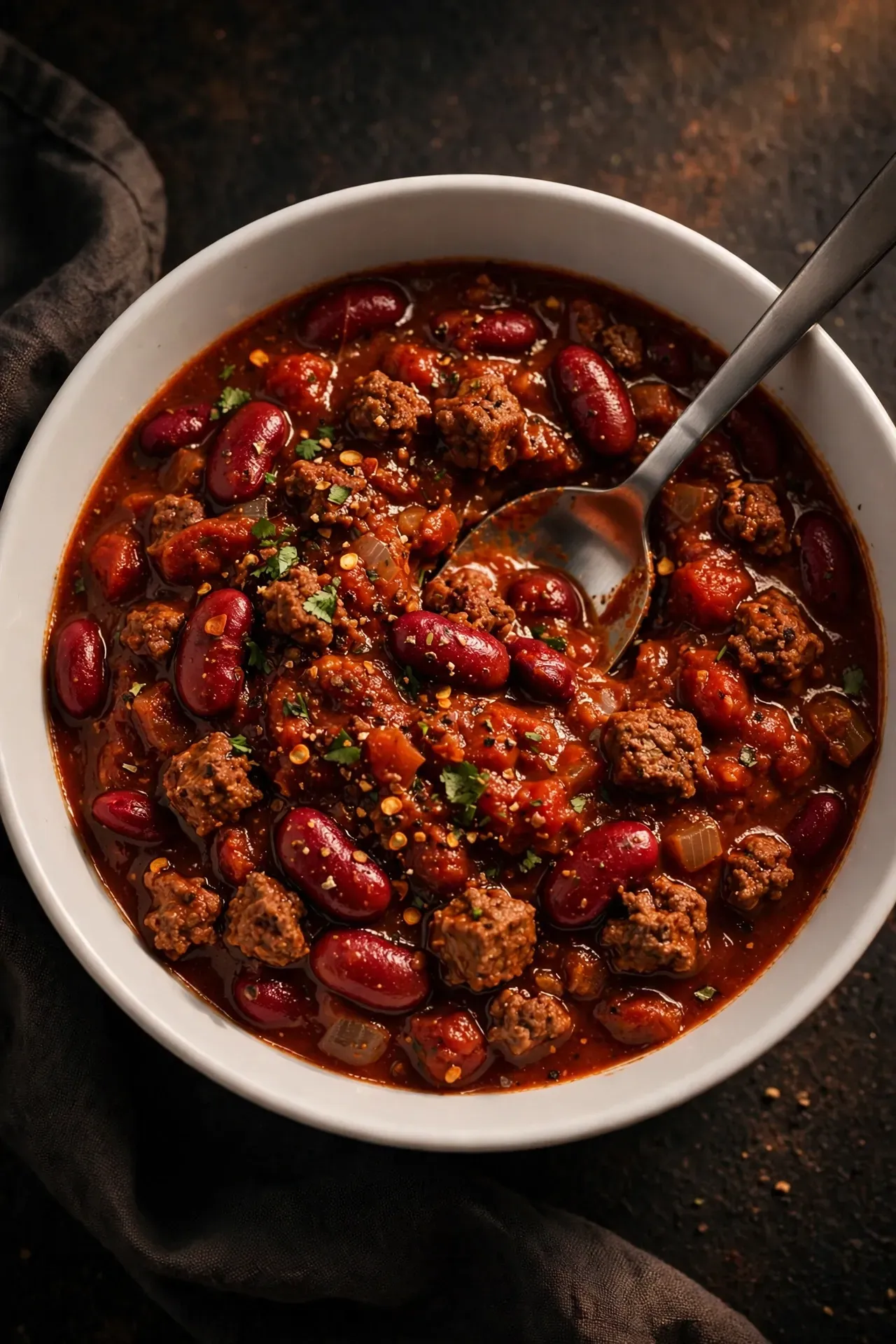
Chili usually takes hours to make deep, rich flavor. The pressure cooker changes the rules completely. You get an all-day taste in just thirty minutes. A bowl of this dark, spiced chili warms you instantly.
Ingredients
Instructions
-
01
Turn on the sauté function and brown the ground beef.
-
02
Drain the excess fat from the metal pot.
-
03
Pour the diced tomatoes over the cooked beef.
-
04
Drop the kidney beans into the pot.
-
05
Pour the beef broth over the mixture.
-
06
Stir the chili powder, cumin, and salt into the pot.
-
07
Lock the lid and cook on high pressure for fifteen minutes.
Overnight Morning Oatmeal
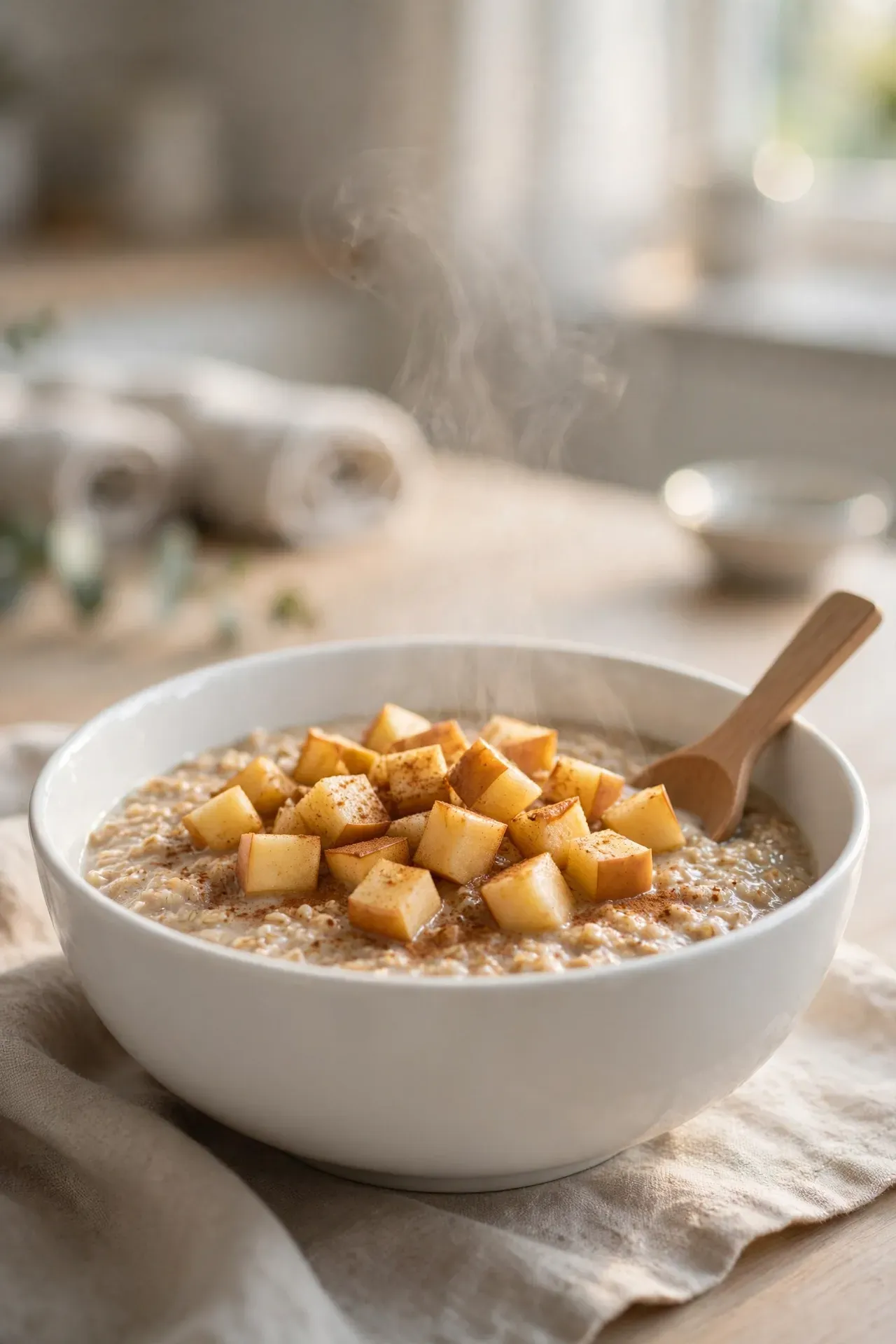
Waking up to a hot breakfast changes your whole day. The steel-cut oats become silky and creamy overnight. Your kitchen smells like warm, toasted cinnamon and apples by dawn. You feed your whole family before school easily.
Ingredients
Instructions
-
01
Coat the inside of the ceramic pot with butter.
-
02
Pour the steel-cut oats into the bottom.
-
03
Pour the water and whole milk over the oats.
-
04
Drop the chopped apples into the liquid.
-
05
Stir the maple syrup, cinnamon, and salt into the pot.
-
06
Cover the pot with the glass lid.
-
07
Cook on low heat for seven hours overnight.
Safety Features And Fears
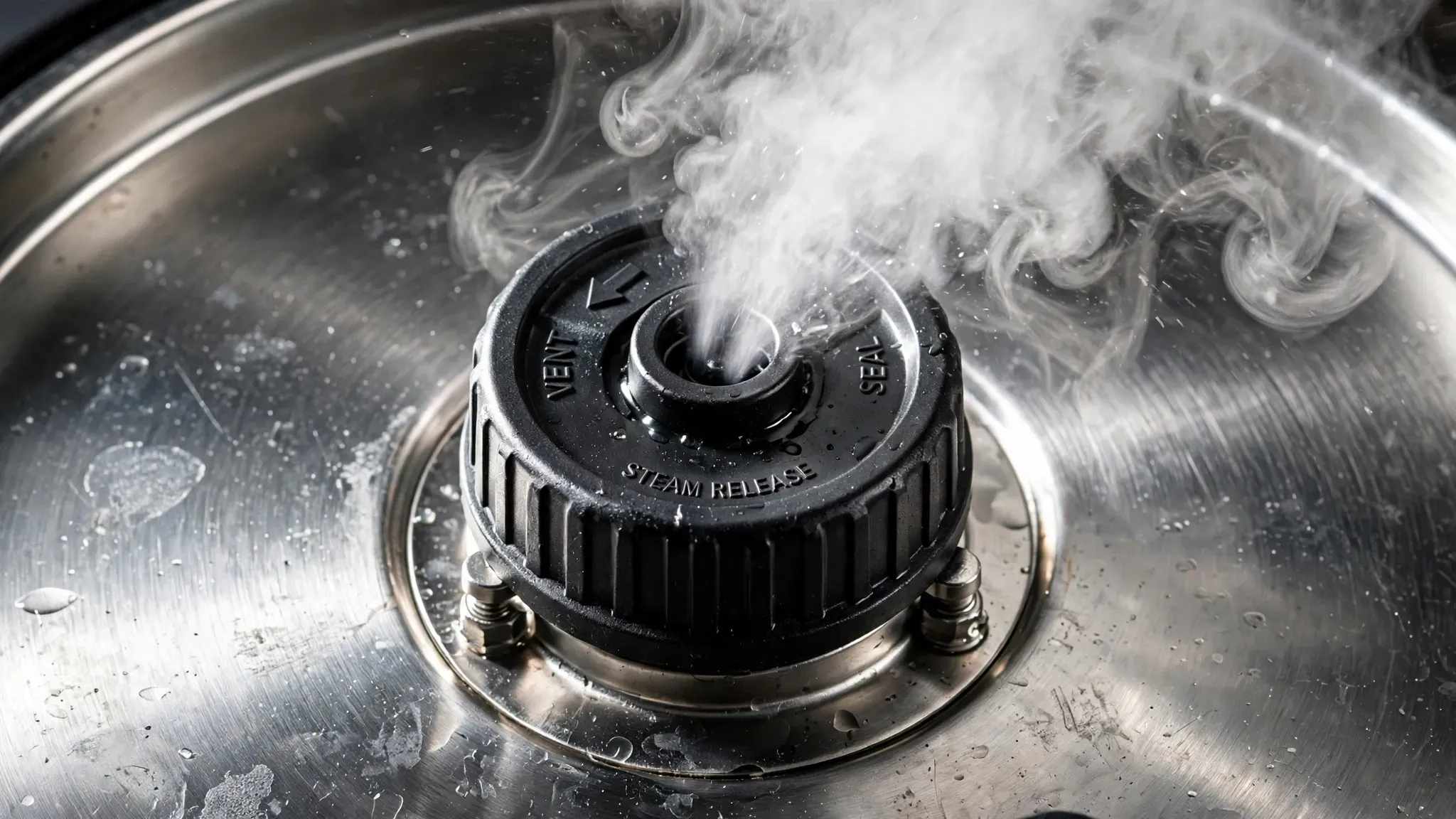
Many people fear pressure cookers. Old stovetop models exploded decades ago. Modern electric models feature multiple safety valves. They literally cannot open while pressurized. A metal pin locks the lid shut mechanically. You must release the hot steam first. This steam shoots up fast and loud. It startles pets and young children. You must keep your hands away from the vent entirely. Slow cookers pose completely different risks. The outside of the metal housing gets incredibly hot. You can burn your hand touching the side. Always keep both appliances pushed back against your kitchen wall.
Which Machine Lasts Longer
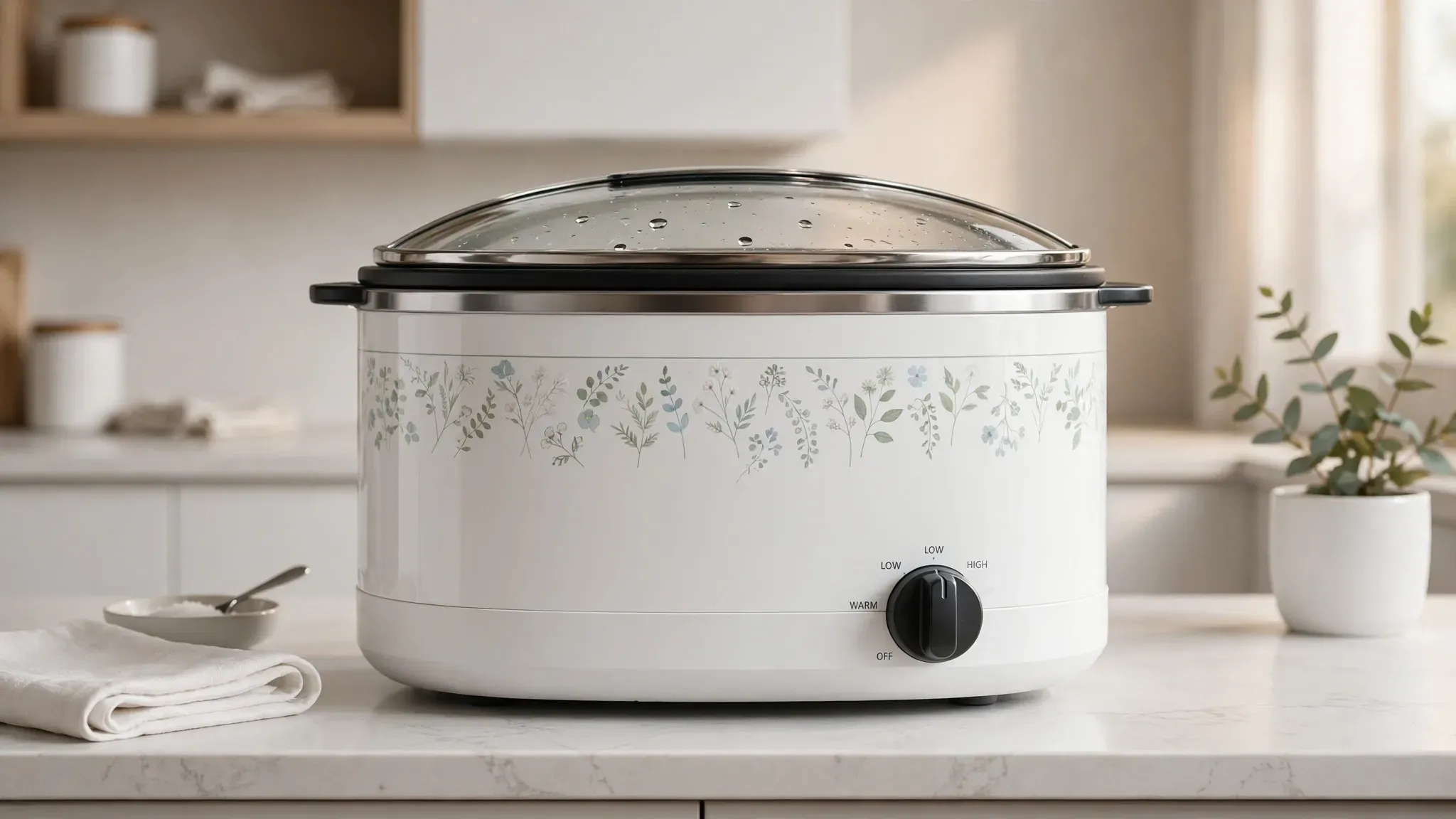
Durability matters when you spend hard-earned money. A traditional slow cooker contains very few moving parts. It has a heating element and a simple dial. These machines frequently outlive their owners. I own my grandmother's old floral Crock-Pot from the eighties. It works perfectly today. Electric pressure cookers rely on computer chips. Digital screens burn out eventually. Buttons stop responding after thousands of presses. The heating sensors degrade over time. You will likely replace a digital cooker every five to seven years. Mechanical simplicity always wins the longevity race. Keep this in mind when shopping.
Best Brand Choices Ranked
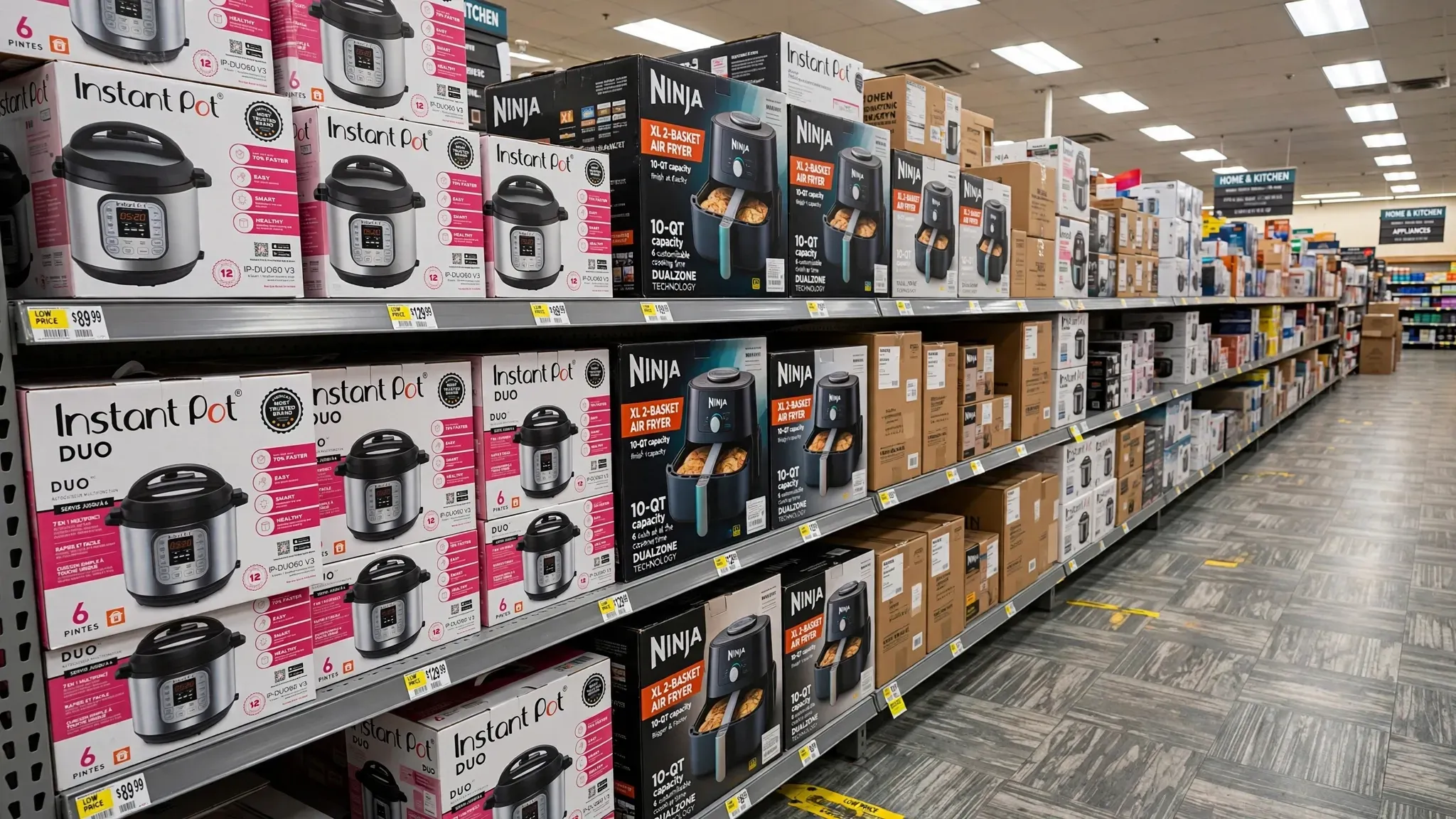
Store shelves overflow with different models today. You must pick the right brand for your budget. The Instant Pot Duo 7-in-1 dominates the pressure cooker market. It offers the best replacement parts availability online. The Ninja Foodi PossibleCooker offers superior searing capabilities. It gets much hotter than cheaper models. For slow cookers, the Crock-Pot Classic remains the undisputed king. It costs less than a family dinner out. The Hamilton Beach Set & Forget offers a great middle ground. It features a probe thermometer for cooking large roasts perfectly. Stick to these proven names.
Frequently Asked Questions
Can I leave it on while I go to work?
Yes, you can leave a slow cooker on all day safely. The heating element uses very little electricity. It stays at a safe temperature. You should never leave a pressure cooker completely unattended. It cooks far too fast for that.
Do they use a lot of electricity?
A slow cooker uses roughly the same power as a light bulb. It costs pennies to run all day. A pressure cooker uses more power but for a much shorter time. Both use far less energy than a full electric oven.
Which one is better for a beginner cook?
The slow cooker wins for complete beginners. You literally cannot mess it up. You toss ingredients in and turn the dial to low. The pressure cooker requires reading the manual thoroughly. You have to read about steam release valves first.
Can I cook frozen meat safely?
Only the pressure cooker can safely cook completely frozen meat. It heats the pot fast enough to kill bacteria. A slow cooker takes too long to reach a safe heat level. Frozen meat in a slow cooker stays in the danger zone too long.
Are the pots dishwasher safe?
Most heavy ceramic inserts handle the dishwasher fine. The metal pressure cooking pots also wash easily in the machine. You must hand wash the lids with the rubber seals. High heat ruins the sealing rings very quickly.
Final Decision For Your Kitchen

Your daily schedule decides the clear winner here. Buy a slow cooker if you prep food in the morning. Buy the pressure cooker if you scramble for dinner at five o'clock. The pressure cooker gives you more options overall. It acts as a rice cooker and a yogurt maker too. The slow cooker offers unmatched simplicity and price. Look at your real habits before buying either one. Ask yourself when you actually have time to chop vegetables. We all want easier dinners. Pick the tool that fits your real life today.

Anna Moretti — Editor-in-Chief & Founder
Anna Moretti is a Le Cordon Bleu graduate whose seven years in Michelin-starred kitchens across Paris and London, including stages at L’Arpège and The Ledbury, shape every recipe she touches. Her work has appeared in Bon Appétit, Saveur, and The Kitchn. As Editor-in-Chief, Anna develops each signature recipe herself and tests it three times before publication, guided by a simple belief: if a recipe doesn’t work in a tired home cook’s kitchen at the end of a long Tuesday, it isn’t ready. She reviews every piece of content for accuracy, voice, and the small details that turn a good recipe into a great one.