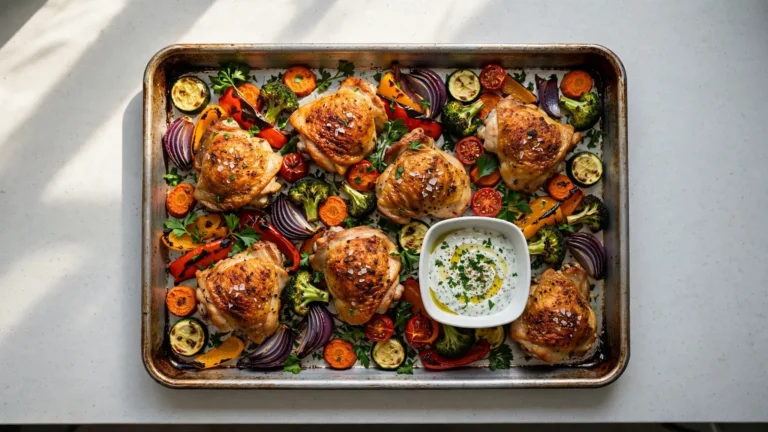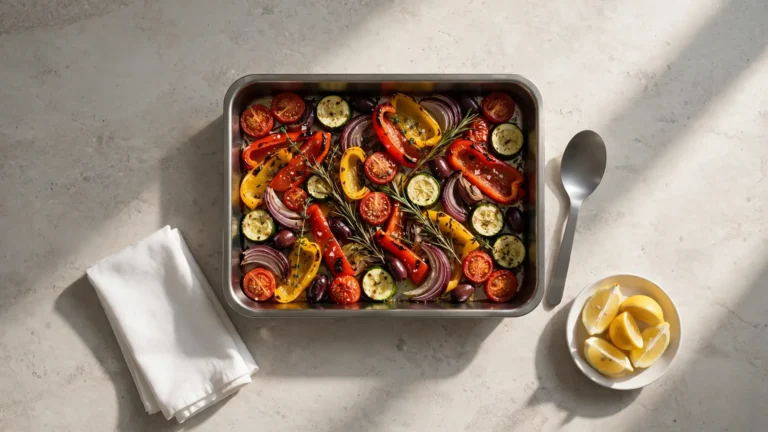
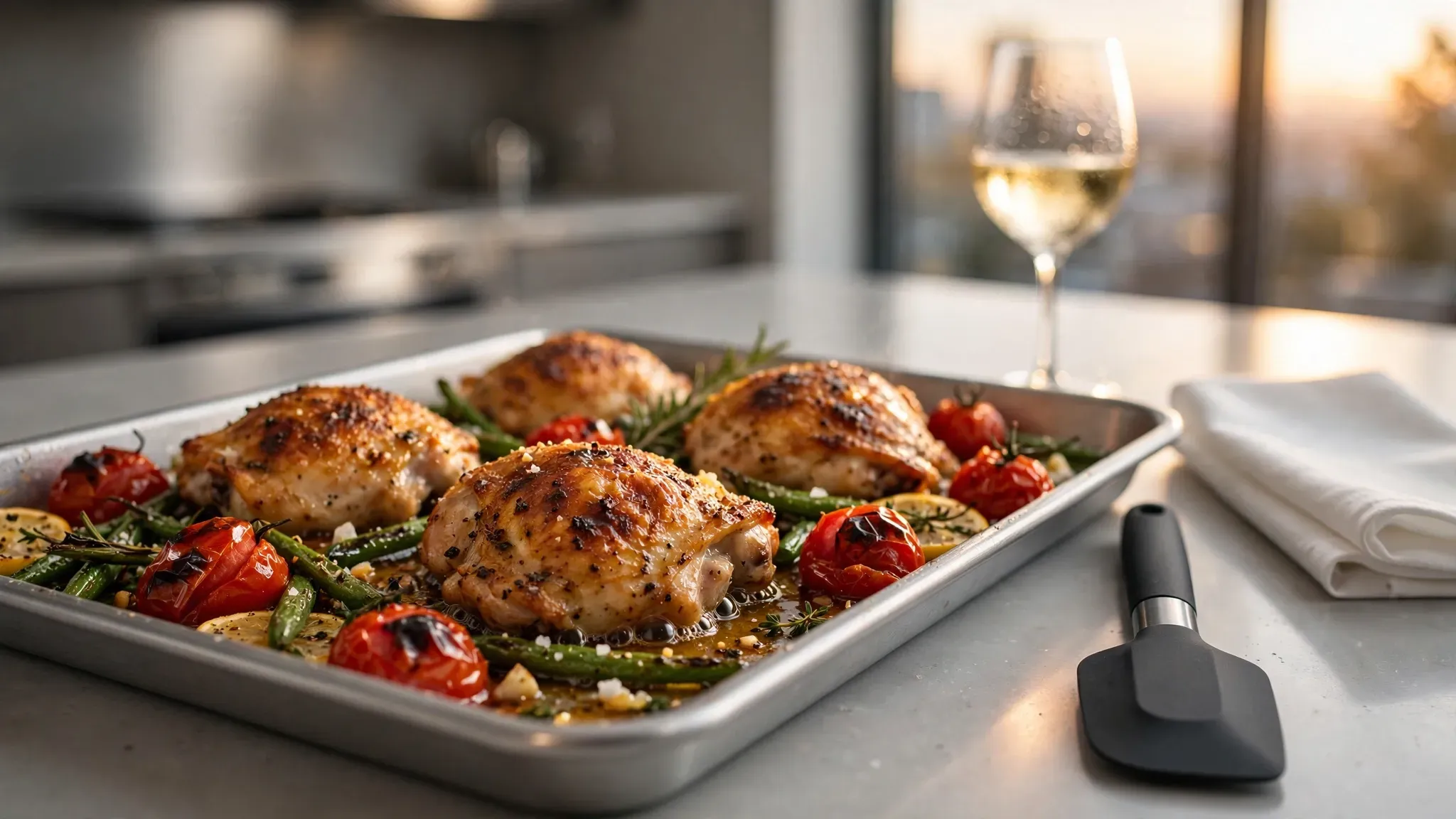
How to Time Your Sheet Pan Cooking So Everything Finishes Together
I still remember staring at my dinner three years ago. I wanted a quick weeknight meal. I threw raw chicken breasts dense potatoes and soft zucchini onto one metal tray. I baked it for forty minutes. The potatoes stayed hard as rocks. The chicken became dry rubber. The zucchini turned into green mush. That night taught me a harsh lesson. You cannot treat all food equally in a hot oven. Different foods require different cooking times. I spent the next two years figuring out how to fix this exact problem. I tested hundreds of combinations in my own kitchen. Now I get perfect food every single night.
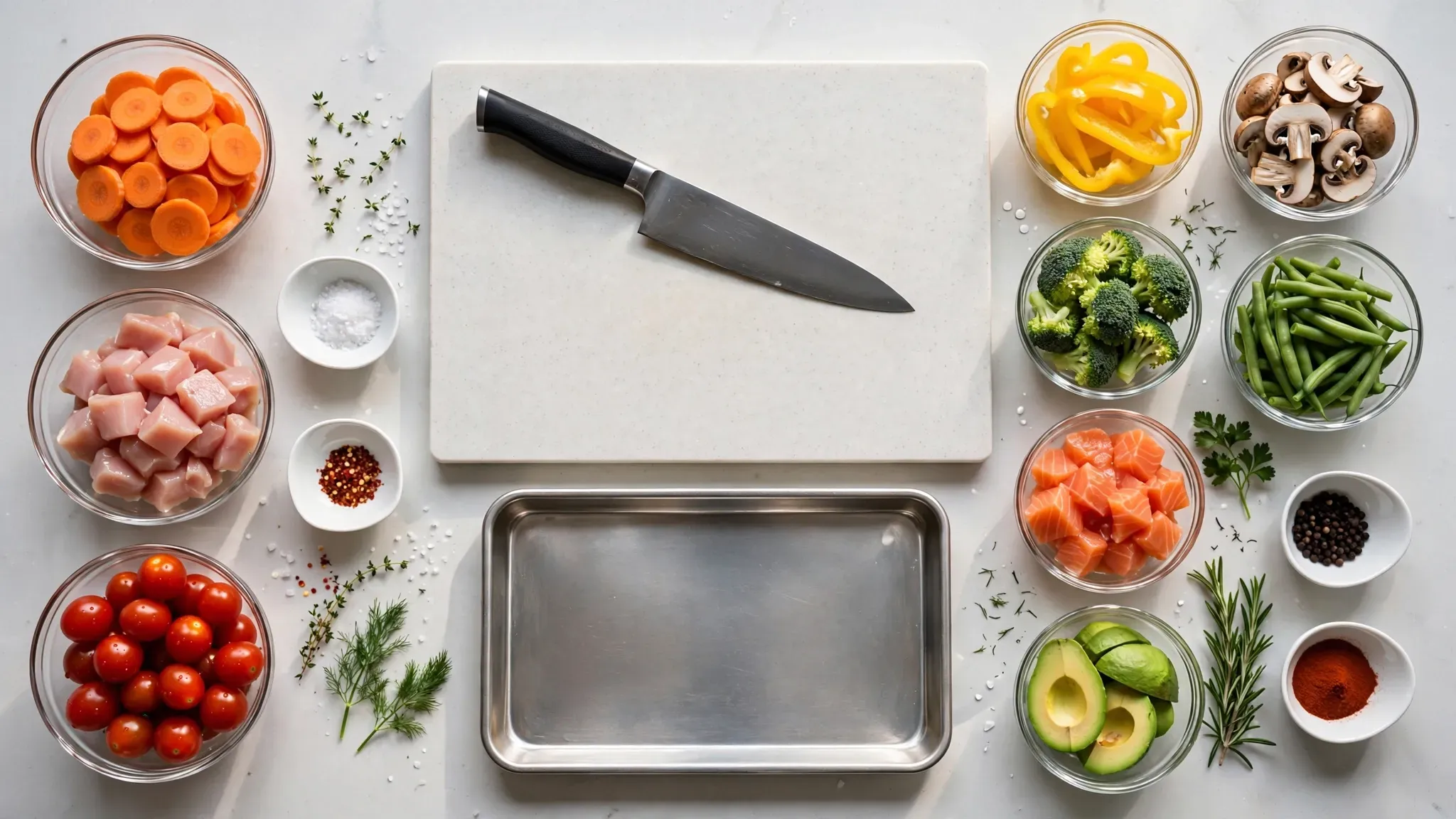
You will master the exact rules for perfect oven timing. You will know exactly when to put each ingredient into the oven. I will show you the timeframes for hard root vegetables versus delicate greens. You will stop eating mushy broccoli or undercooked potatoes today. You will get five distinct recipes that prove these rules work perfectly. Expect to cut your active kitchen time in half. You will save money on takeout while eating better food. You will walk away with total confidence in your daily dinner routine.
The Heat And Density Rule
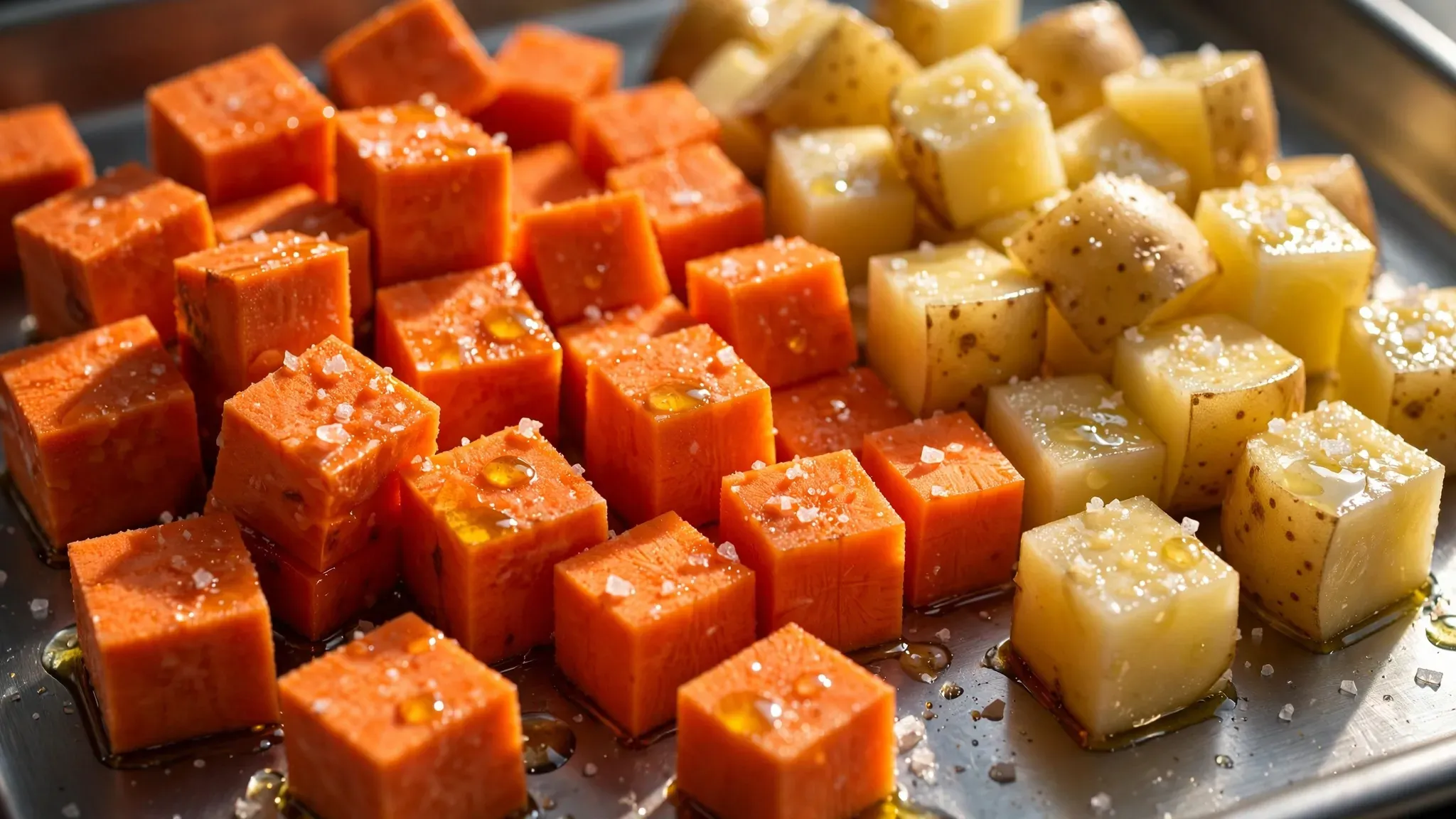
Food density dictates oven time. A sweet potato contains dense fibers. A cherry tomato contains mostly water. You cannot cook them for the same amount of time. I found this out the hard way. I used to chop everything up and throw it in together.
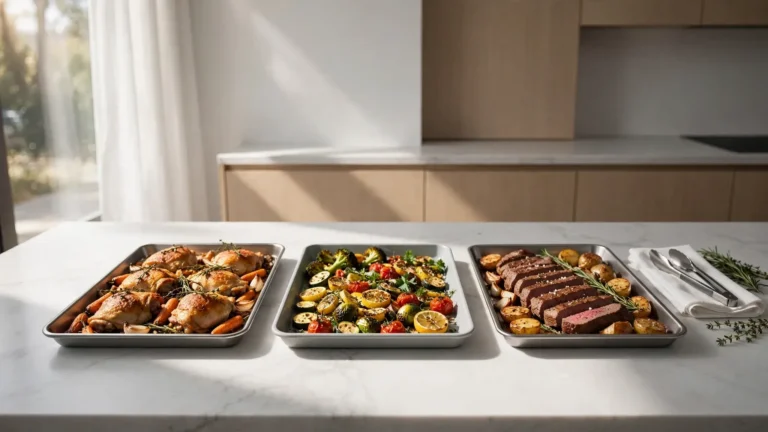
Dense foods need a head start. Think about potatoes carrots and winter squash. These items take about forty minutes at four hundred degrees.
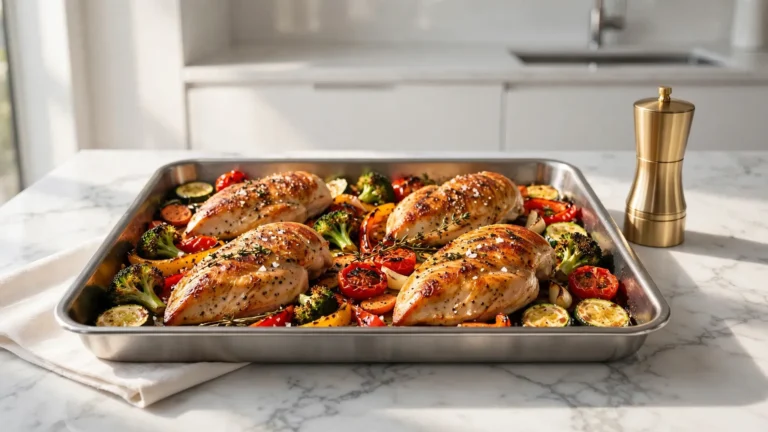
Medium foods go next. These include chicken thighs thick pork chops and broccoli florets. They need about twenty to thirty minutes.
Soft foods go last. Think of asparagus cherry tomatoes and thin fish fillets. They only need ten to fifteen minutes.
You must respect the density of your ingredients. This changes everything about your dinner routine.
The Staggered Drop Action
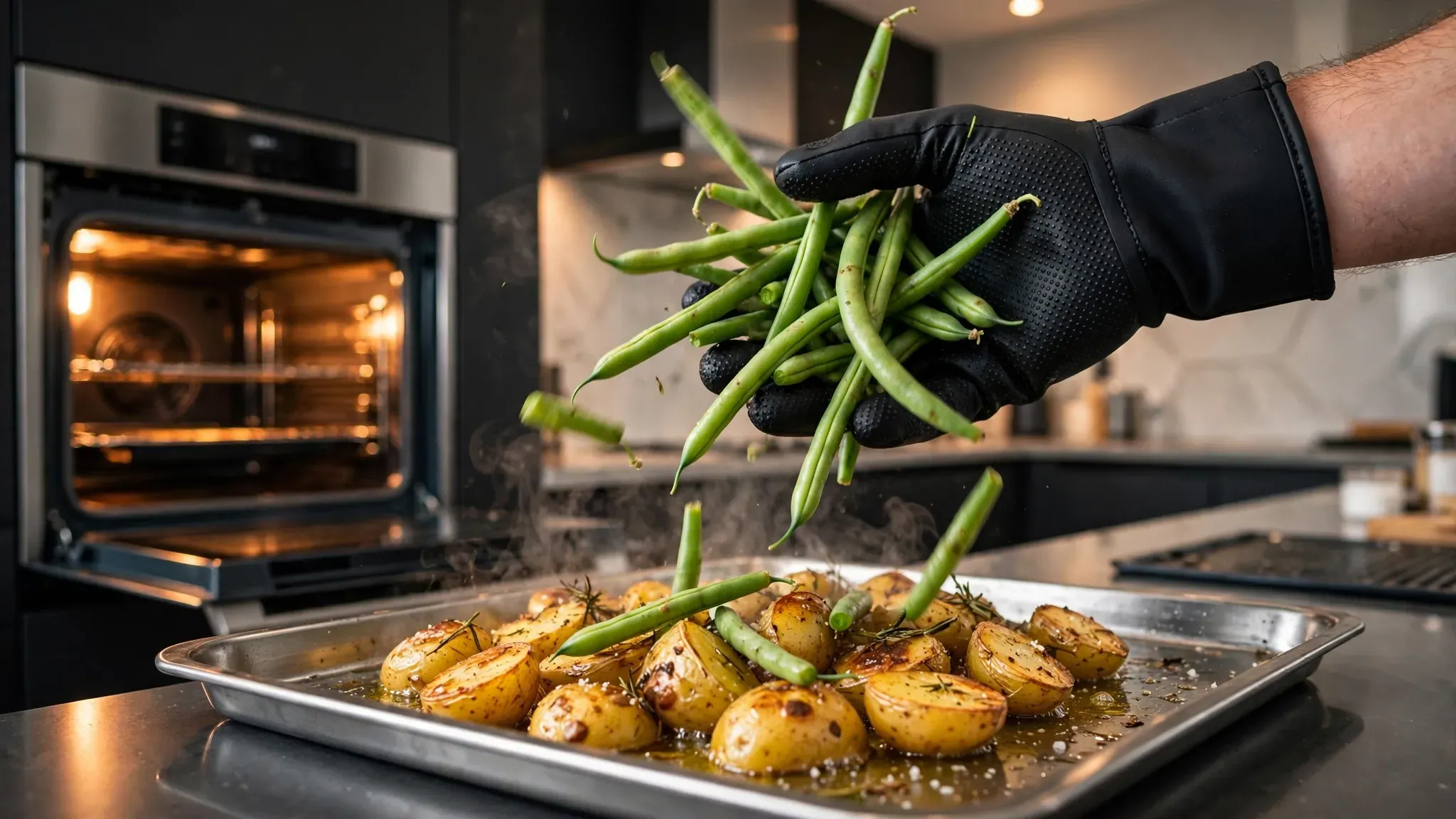
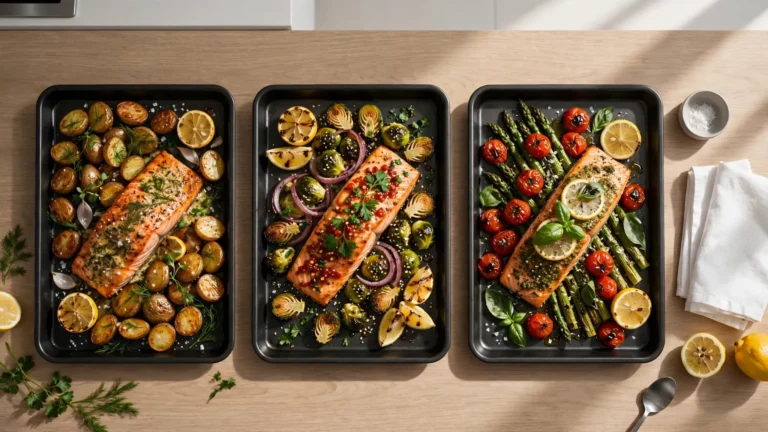
This is my favorite way to cook. You load your tray in phases. You start with the hardest ingredients. You put them in the oven first.
Let them roast for fifteen minutes. Then you pull the tray out. You place your medium ingredients onto the hot metal. You put the tray back into the oven.
Ten minutes later you repeat this action. You place your softest ingredients on the tray. Everything finishes at the exact same moment.
I use this trick when I want a huge variety of textures. The potatoes get deeply browned. The fish stays perfectly tender. The green beans retain their snap.
It requires pulling the tray out twice. The final plate makes it completely worth the effort.
The Size Manipulation Trick
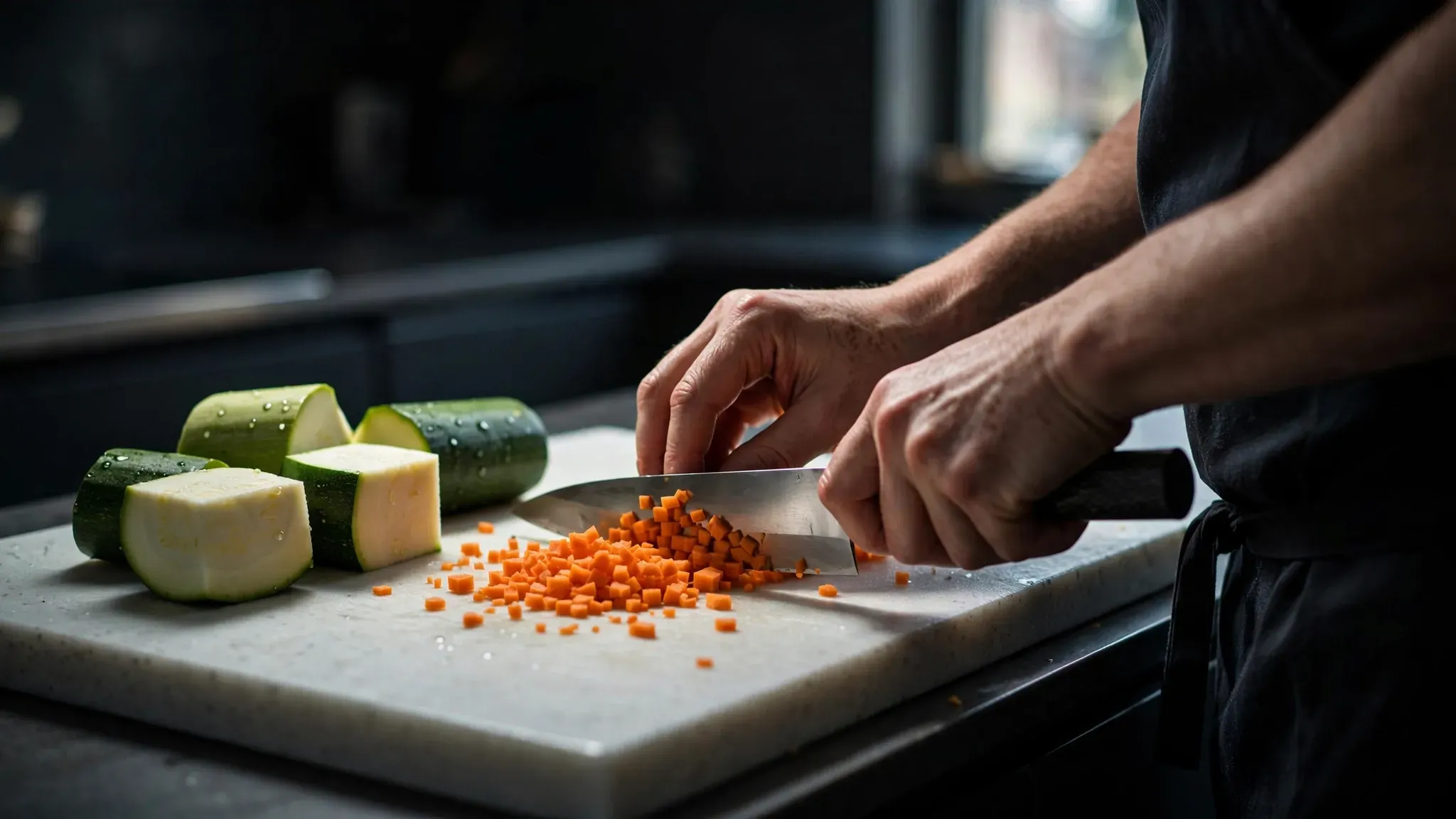
Sometimes you want to put everything in the oven at once. You are tired. You do not want to pull the tray out multiple times. You can still make this work.
You just have to change how you cut your food. I do this on lazy weeknights.
Cut your dense foods very small. Dice your potatoes into tiny half inch cubes. They will cook much faster this way.
Leave your soft foods in massive pieces. Cut your zucchini into huge chunks. Leave your tomatoes completely whole.
Tiny potato cubes and huge zucchini chunks will cook in the exact same amount of time. You trick the heat using geometry. I love this trick for quick weekday meals.
The Pan Crowding Mistake
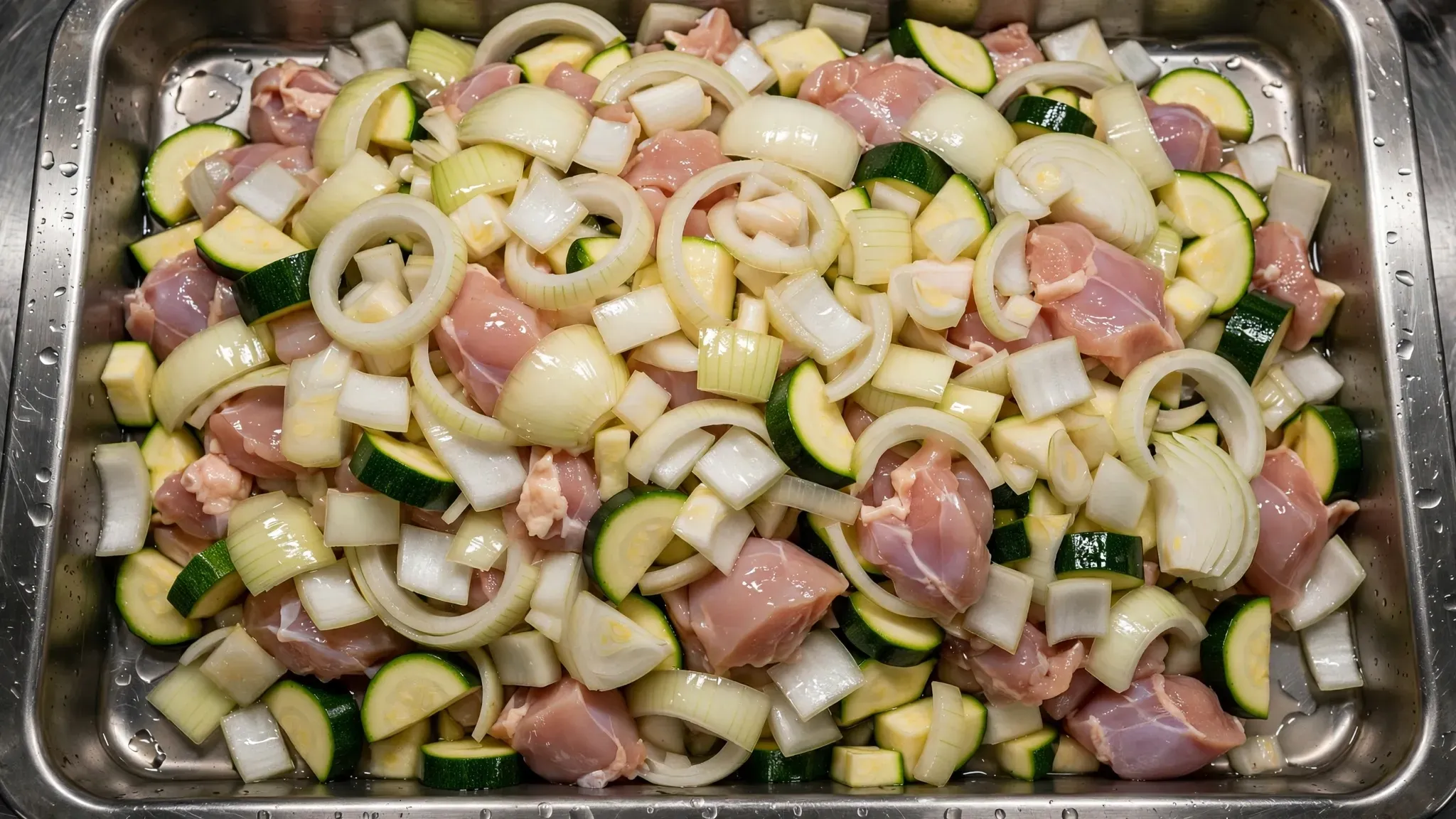
Most beginners make this specific error. They chop three pounds of vegetables. They dump everything onto one single tray. The food overlaps and piles up.
This creates a massive problem. As food heats up it releases steam. When food sits shoulder to shoulder that steam gets trapped.
Your food boils in its own juices. You want dry heat to hit the surface of the food. Dry heat causes caramelization and browning.
You must leave empty space around your ingredients. The hot air needs room to circulate. If you have too much food you must use a second tray. Never pile your ingredients.
The Oil Distribution Trick
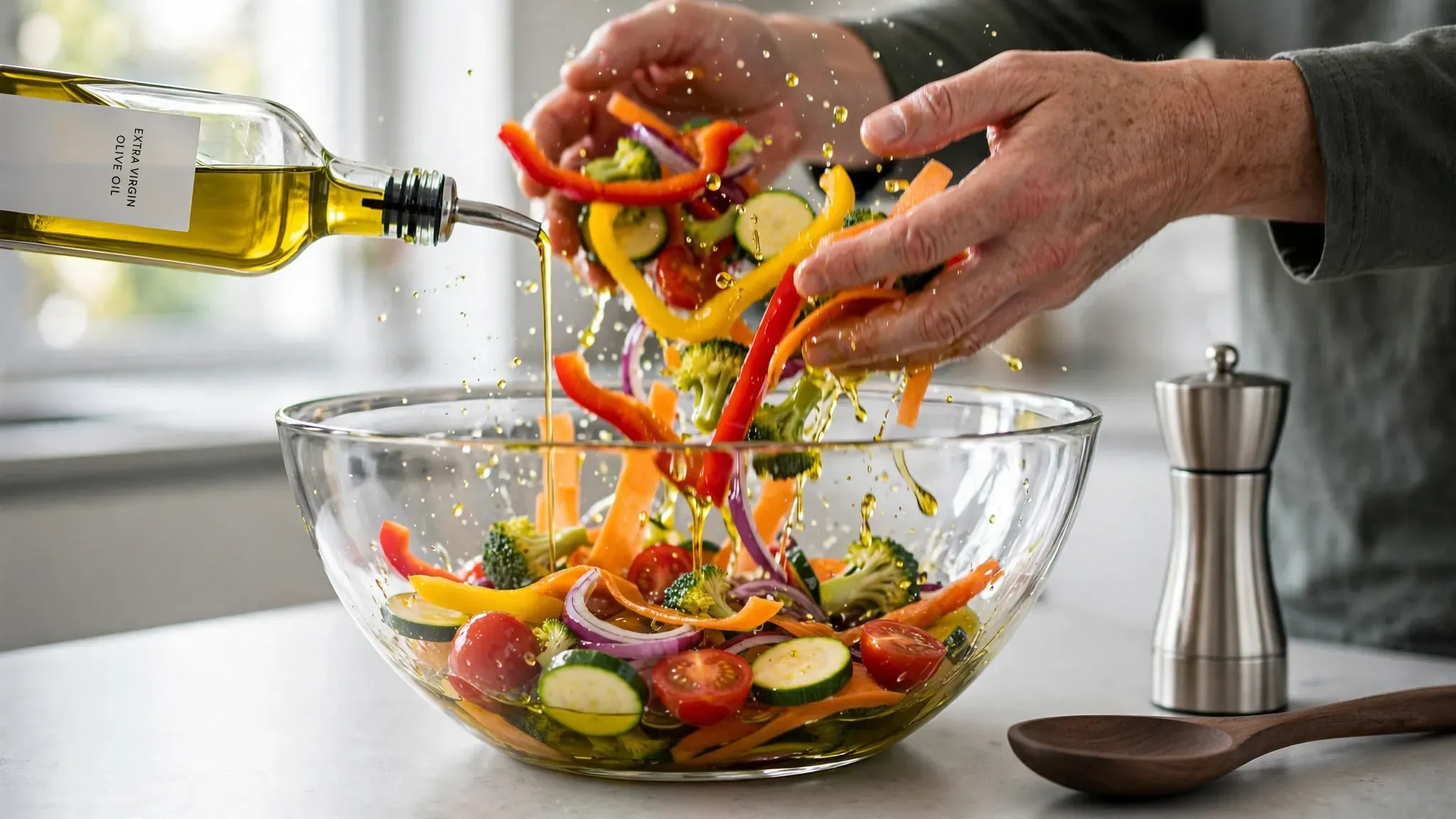
I used to put my dry food on the pan and drizzle oil over the top. Some pieces got soaked. Other pieces stayed completely dry. The dry pieces always burned into ash.
You must coat your food evenly before it touches the metal. I use a massive mixing bowl for this.
Put your chopped ingredients into the bowl. Pour your oil in. Use your hands to toss everything aggressively. Every single piece needs a thin shiny coating of fat.
The oil acts as a conductor. It transfers the heat from the metal directly into the food. Even oil distribution guarantees even cooking times.
The Meat Resting Phase
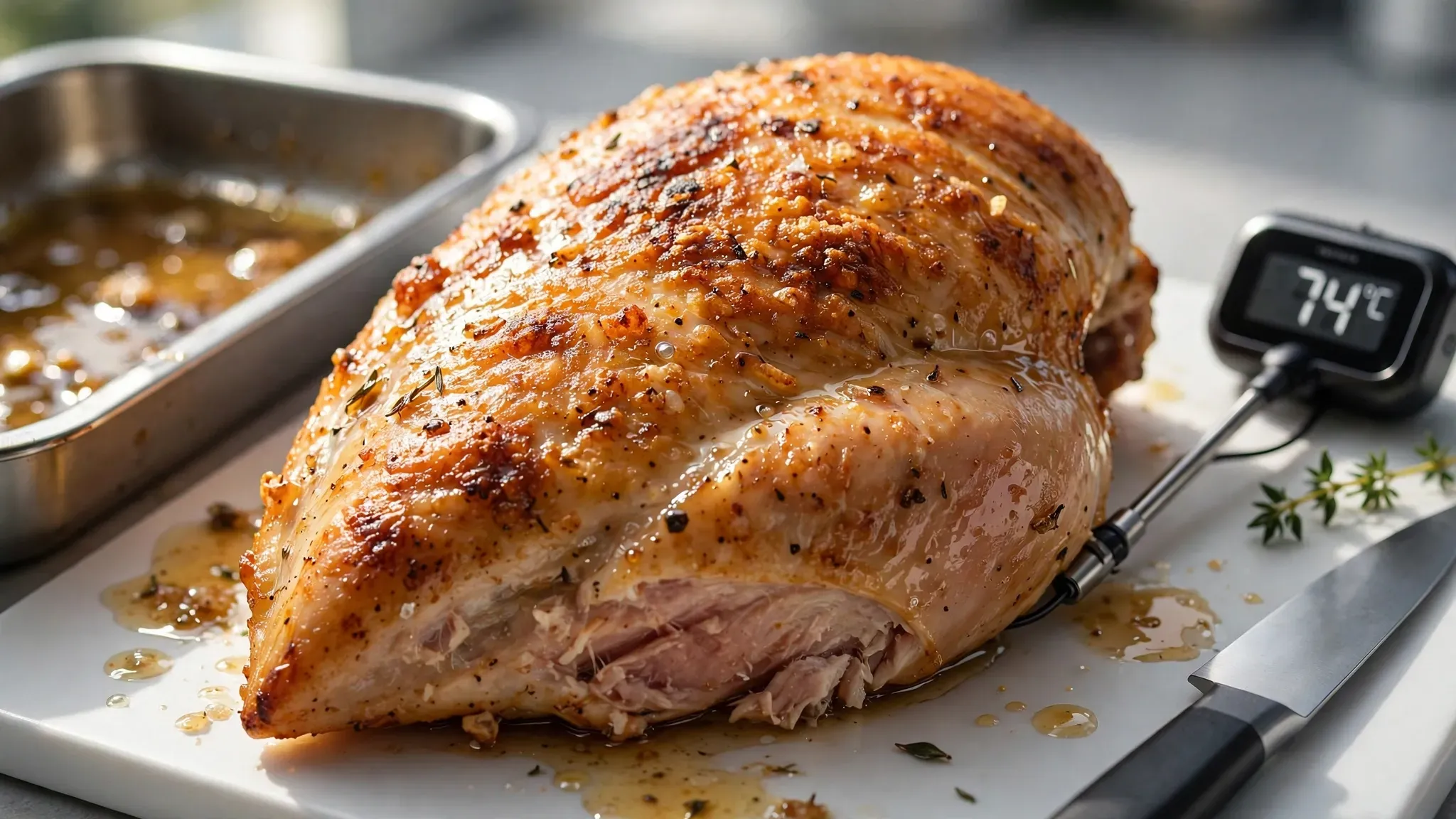
Timing your cooking also means timing the moments after the oven turns off. You cannot eat meat the second it leaves the heat.
The juices inside a hot piece of chicken boil rapidly. If you cut into the meat immediately those juices spill out everywhere. The meat becomes dry instantly.
You must let the tray sit on the counter. Let it rest for at least five minutes. The boiling juices calm down. They redistribute back into the muscle fibers.
Your potatoes will stay screaming hot during this rest period. Do not rush this final phase. Resting is a mandatory cooking step.
Mastering Your Oven Zones
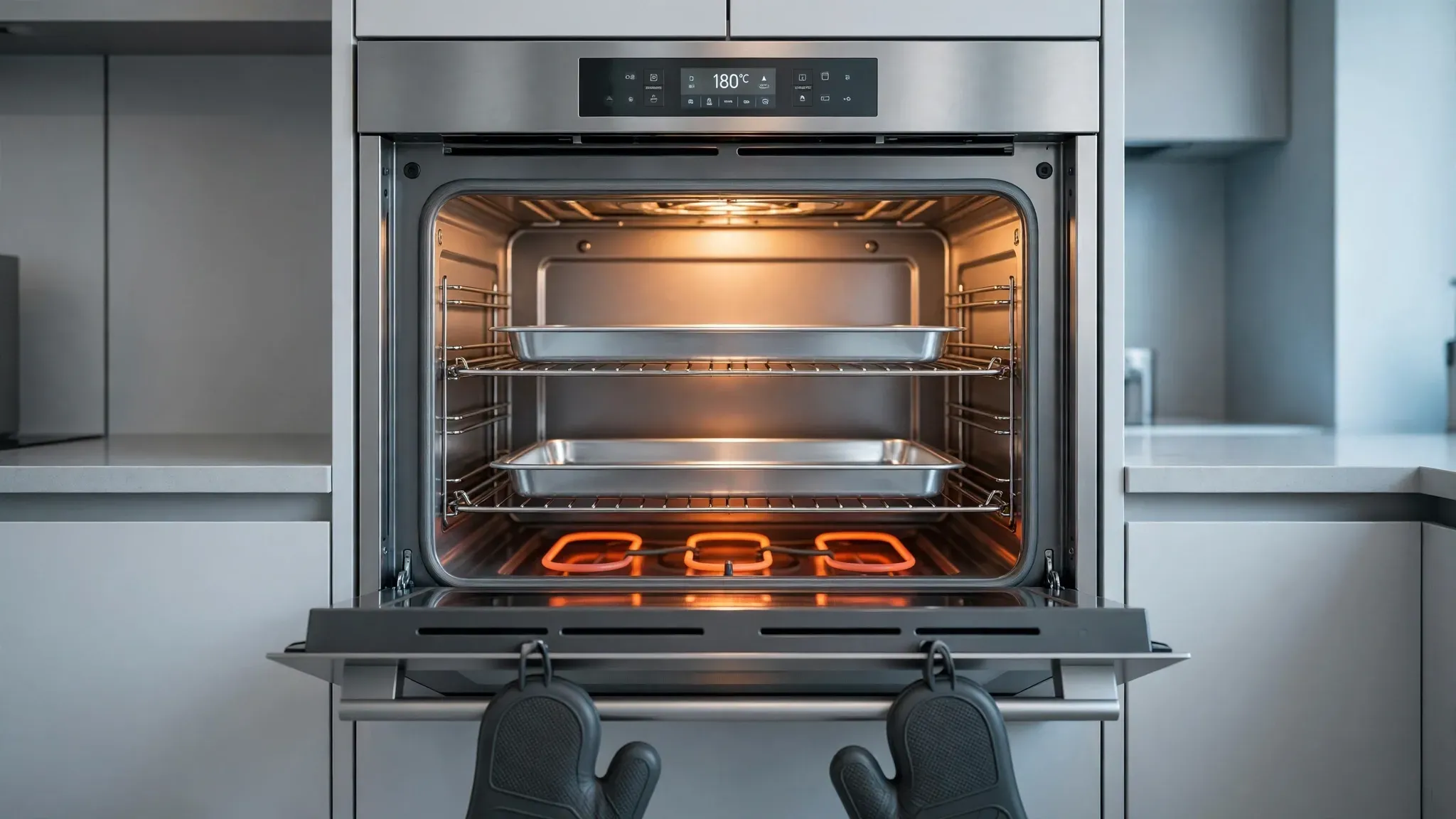
Your oven does not heat evenly. The temperature changes depending on where you put the tray. I ruined many meals before I figured this out.
The bottom rack sits closest to the heat source. Put your tray here when you want dark crispy bottoms. I use the bottom rack for potatoes and root vegetables.
The top rack collects the rising hot air. Put your tray here when you want to brown the top of your food. I use the top rack for melting cheese or crisping chicken skin.
The middle rack provides the safest even heat. Use this space when you cook mixed ingredients together. Knowing your oven zones gives you massive control over the final texture.
Garlic Butter Shrimp And Asparagus
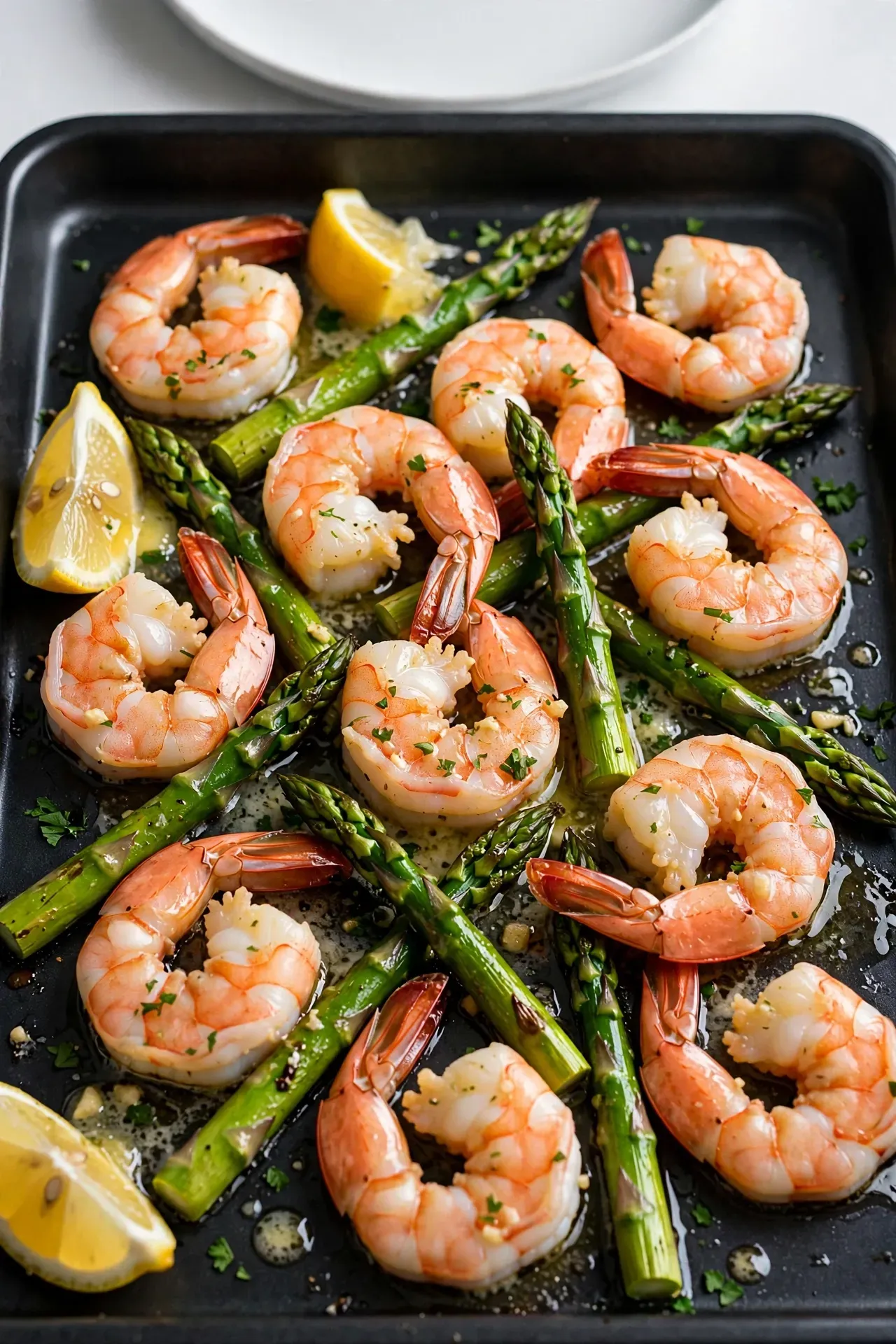
This meal comes together in exactly fifteen minutes. I serve this when friends come over unexpectedly. The butter melts into the asparagus beautifully. The shrimp turns a perfect shade of pink. The flavors feel rich savory and incredibly bright. You get a restaurant quality plate with zero heavy lifting.
Ingredients
Instructions
-
01
Preheat your oven to four hundred degrees.
-
02
Place the asparagus on one half of your metal tray.
-
03
Place the shrimp on the other half of the tray.
-
04
Mix the melted butter with minced garlic salt and pepper.
-
05
Pour the garlic butter mixture evenly over everything.
-
06
Lay the lemon slices directly on top of the shrimp.
-
07
Bake for twelve minutes until the shrimp turn pink and opaque.
-
08
I have made this dozens of times and peeling the shrimp completely makes the butter soak in much better. Leaving the tails on looks pretty but makes eating messy.
Honey Soy Tofu Bok Choy
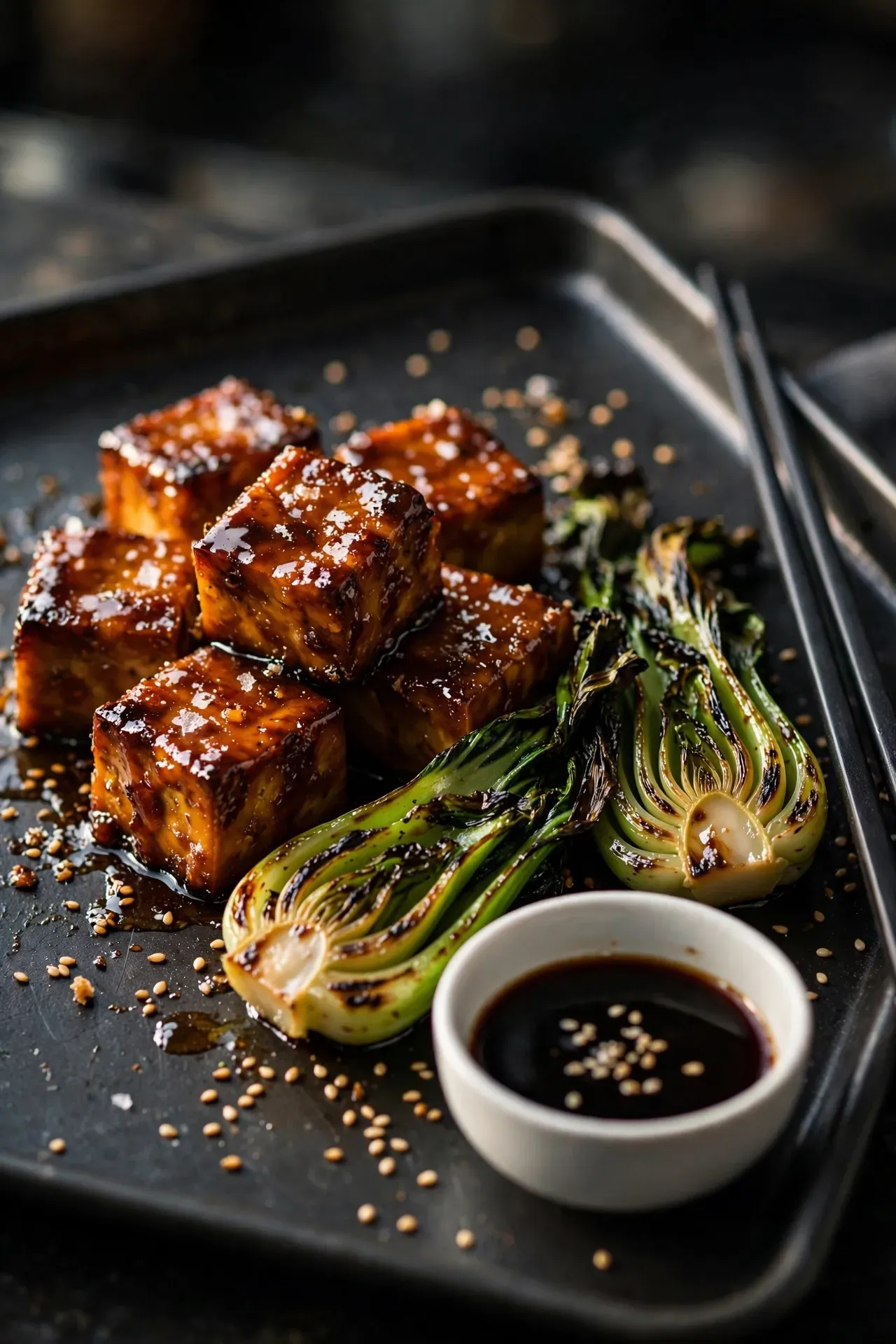
I crave this crispy plant based meal constantly. The tofu gets incredibly chewy and golden brown around the edges. The bok choy wilts perfectly while the stems stay crisp. The sticky sauce coats everything in sweet and savory flavors. It gives massive crunch without touching a frying pan.
Ingredients
Instructions
-
01
Preheat your oven to four hundred twenty five degrees.
-
02
Toss the tofu cubes with cornstarch until completely coated.
-
03
Place the coated tofu on your tray and bake for twenty minutes.
-
04
Mix the soy sauce honey and sesame oil in a small bowl.
-
05
Pull the tray out and flip the tofu pieces.
-
06
Place the bok choy halves onto the same tray.
-
07
Drizzle the sauce over everything and bake for ten more minutes.
Smoky Sausage Peppers And Onions
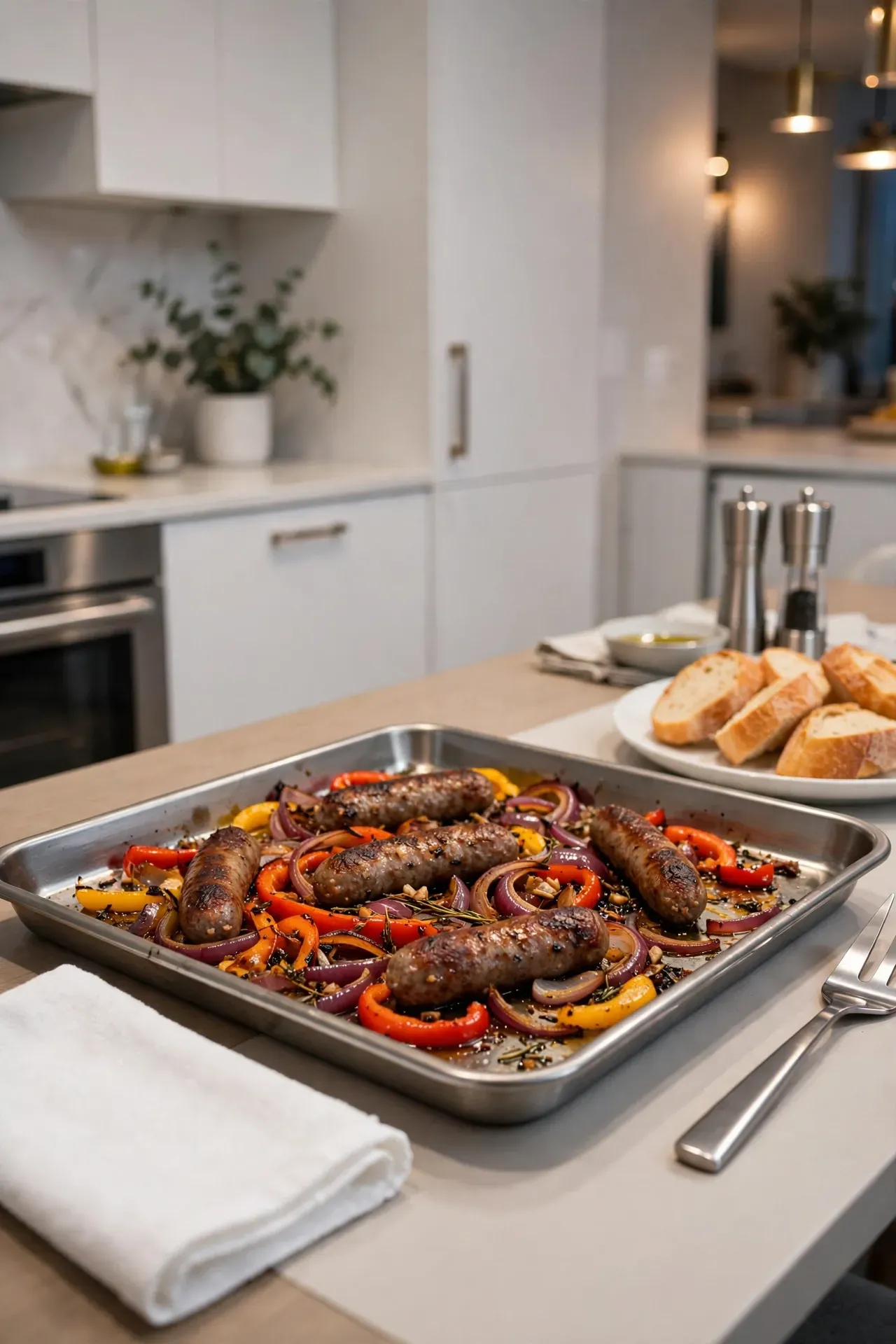
This meal smells amazing while it cooks. The sweet peppers blister and char in the hot oven. The savory sausage releases juices that flavor the soft onions. Everything caramelizes together into a rich hearty pile of comfort food. I eat this stuffed into crusty rolls on lazy Sunday afternoons.
Ingredients
Instructions
-
01
Preheat your oven to four hundred degrees.
-
02
Place the sausages directly in the center of your tray.
-
03
Surround the meat with the sliced peppers and onions.
-
04
Drizzle the olive oil completely over the vegetables.
-
05
Sprinkle the oregano and pepper flakes over the entire pan.
-
06
Toss the vegetables lightly using your hands to coat them in oil.
-
07
Roast for thirty minutes until the sausages brown and peppers blister.
-
08
I have noticed slicing the onions thickly prevents them from burning into bitter black crisps before the meat finishes cooking.
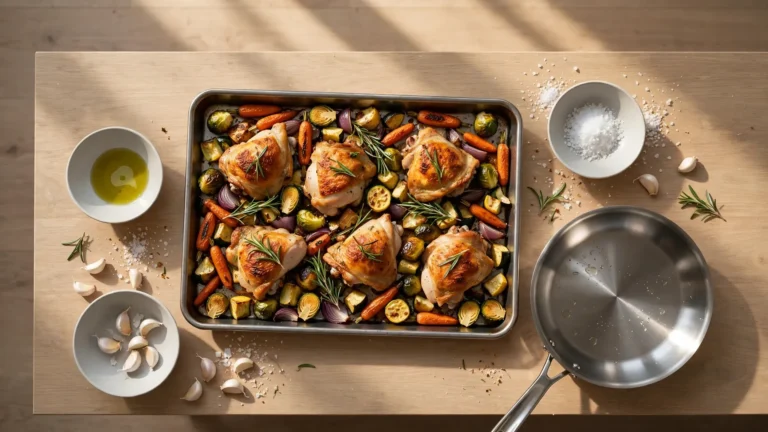
Lemon Herb Chicken And Potatoes
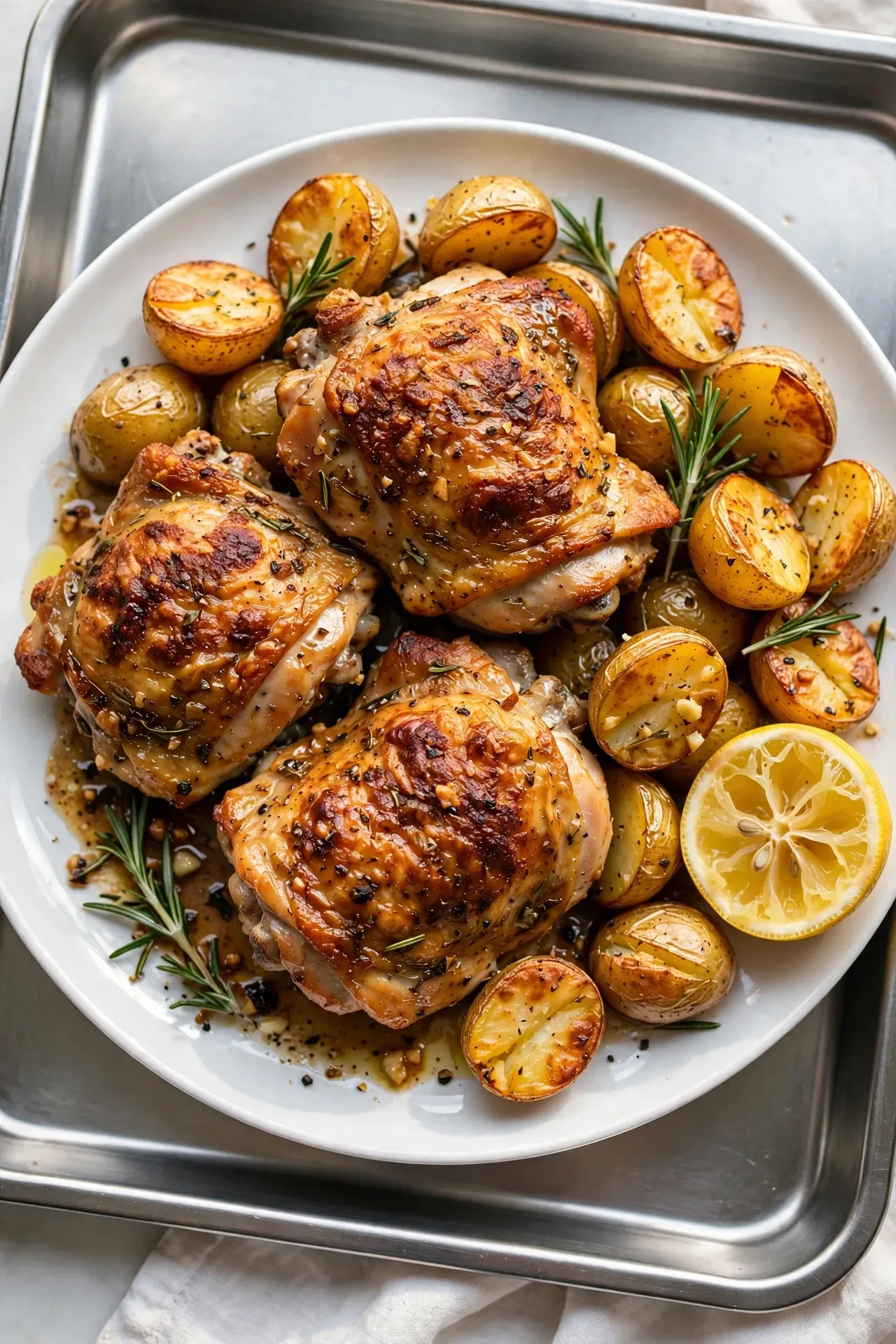
This stands as the ultimate Sunday night dinner. The chicken skin gets incredibly thin and crispy like potato chips. The potatoes roast in the savory fat that renders out of the meat. The bright lemon juice cuts through all the richness perfectly. You get deep comforting flavors with a tangy finish.
Ingredients
Instructions
-
01
Preheat the oven to four hundred twenty five degrees.
-
02
Place the halved potatoes in a bowl and toss with one tablespoon of oil.
-
03
Put the potatoes on your tray and bake for fifteen minutes alone.
-
04
Rub the chicken thighs with the remaining oil salt and garlic powder.
-
05
Pull the tray out and move the potatoes to the edges.
-
06
Place the chicken in the center and scatter the rosemary around.
-
07
Bake for another thirty five minutes until the chicken skin crisps.
Maple Mustard Pork And Carrots
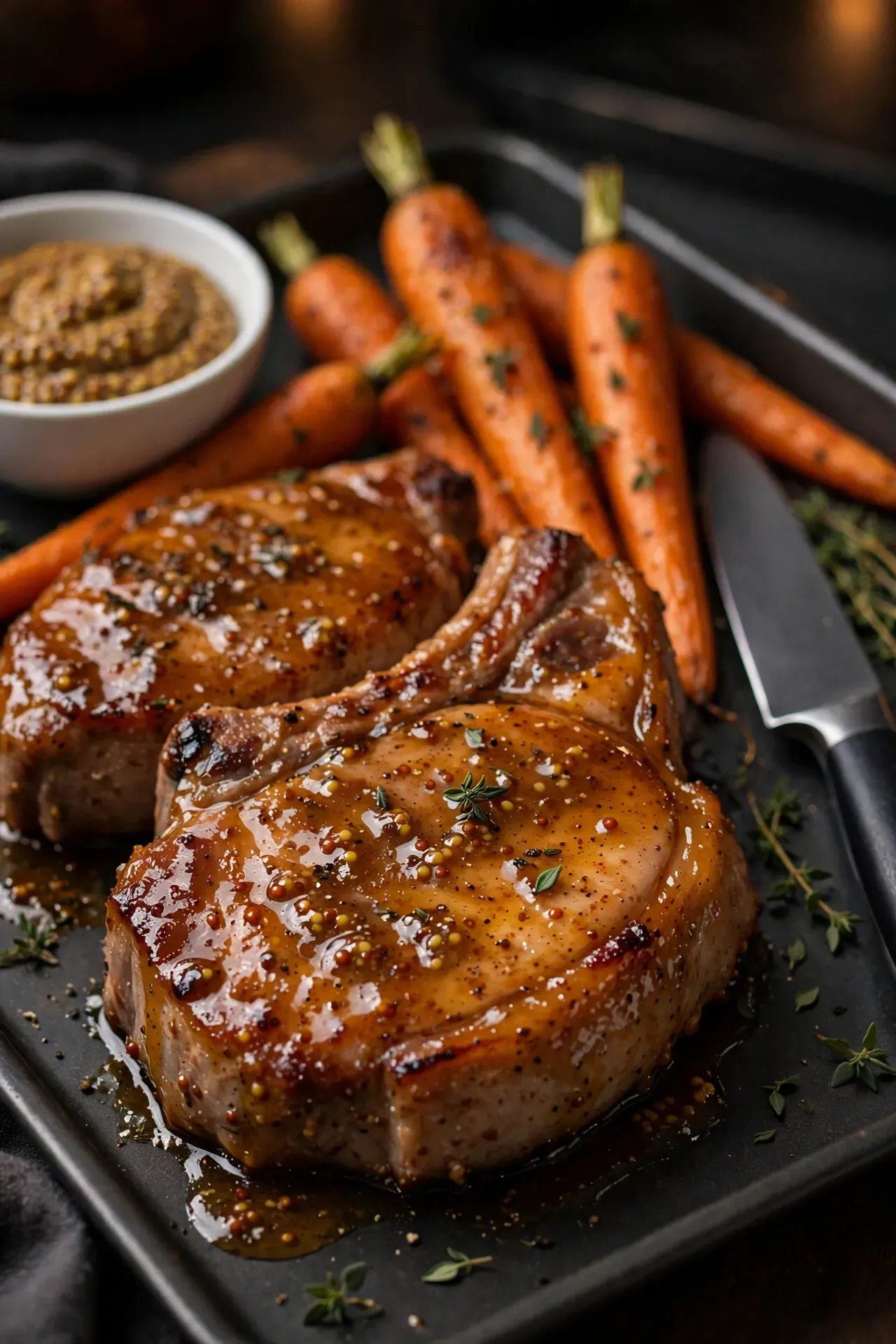
This sweet and savory plate works perfectly during cold weather. The thick glaze caramelizes beautifully under the high heat. The tough carrots soften into sweet earthy bites of flavor. The pork stays juicy and tender inside its sticky coating. It smells like a holiday dinner but takes a fraction of the time.
Ingredients
Instructions
-
01
Preheat your oven to four hundred degrees.
-
02
Place the peeled carrots on the tray and toss them with olive oil.
-
03
Roast the carrots alone for twenty minutes.
-
04
Mix the maple syrup mustard paprika and pepper in a small bowl.
-
05
Brush the thick pork chops completely with the sweet glaze.
-
06
Pull the tray out and place the meat next to the carrots.
-
07
Roast everything together for twenty more minutes.
In my experience letting the pork chops sit on the counter for twenty minutes before baking keeps them much juicier inside.
Frequently Asked Questions
Can I freeze these meals before cooking?
You absolutely can freeze them. I do this every Sunday. Chop your vegetables and meat raw. Put them together in a large freezer bag with the marinade. Freeze them flat. When you want dinner just dump the frozen block onto your tray. You will need to bake it for ten extra minutes.
What if I do not have parchment paper?
You can cook directly on the bare metal. You must use extra oil if you skip the paper. I prefer bare metal when I want extreme crispiness on potatoes. The food touches the hot steel directly and browns faster. Scrubbing the pan later will take more muscle.
Can I pack the pan completely full?
You must never crowd the pan. Food releases steam as it cooks. If ingredients touch each other they will steam instead of roasting. You will get soggy vegetables. Leave a small gap of empty metal around every piece of food. Use two trays if you have a lot of food.
Does the type of metal tray matter?
Yes it matters a lot. Heavy aluminum conducts heat beautifully and cooks food evenly. Thin cheap metal warps and pops in the oven. Dark metal trays absorb more heat and will burn the bottoms of your food faster. I strictly use heavy bright aluminum pans for perfect consistency.
Can I make this ahead for lunches?
These recipes work perfectly for meal prep. The flavors actually deepen overnight in the fridge. The crispiness will disappear in the microwave later. The food still tastes amazing. I pack the leftovers in glass containers and eat them cold or warm all week long.
How do I stop garlic from burning?
Minced garlic burns in exactly ten minutes at high heat. It turns bitter and ruins the entire flavor profile. Never put raw minced garlic on the tray at the beginning of a long cook. Mix it with oil and brush it on during the last ten minutes. Alternatively you can roast whole garlic cloves in their skins for the entire time. They turn sweet and soft instead of burning.
Why do my potatoes stick to the foil?
Aluminum foil grabs onto wet starches aggressively. When you roast potatoes on foil they almost always stick. When you try to flip them the crispy brown part rips off. I stopped using foil completely. Use parchment paper instead. Nothing sticks to parchment paper. If you must use foil you must oil it heavily before the food touches it.
Wrapping Up Your Kitchen Game
You now hold the exact blueprint for perfect oven meals. You know exactly why dense potatoes fail when cooked with soft greens. You can manipulate the heat by staggering your ingredients or changing your knife cuts. You have five reliable recipes that prove these rules in real life. Cooking should never feel like guessing. You control the timing entirely. Go grab a heavy tray and test these rules tonight. I promise your dinners will never end up mushy or raw again.

Anna Moretti — Editor-in-Chief & Founder
Anna Moretti is a Le Cordon Bleu graduate whose seven years in Michelin-starred kitchens across Paris and London, including stages at L’Arpège and The Ledbury, shape every recipe she touches. Her work has appeared in Bon Appétit, Saveur, and The Kitchn. As Editor-in-Chief, Anna develops each signature recipe herself and tests it three times before publication, guided by a simple belief: if a recipe doesn’t work in a tired home cook’s kitchen at the end of a long Tuesday, it isn’t ready. She reviews every piece of content for accuracy, voice, and the small details that turn a good recipe into a great one.